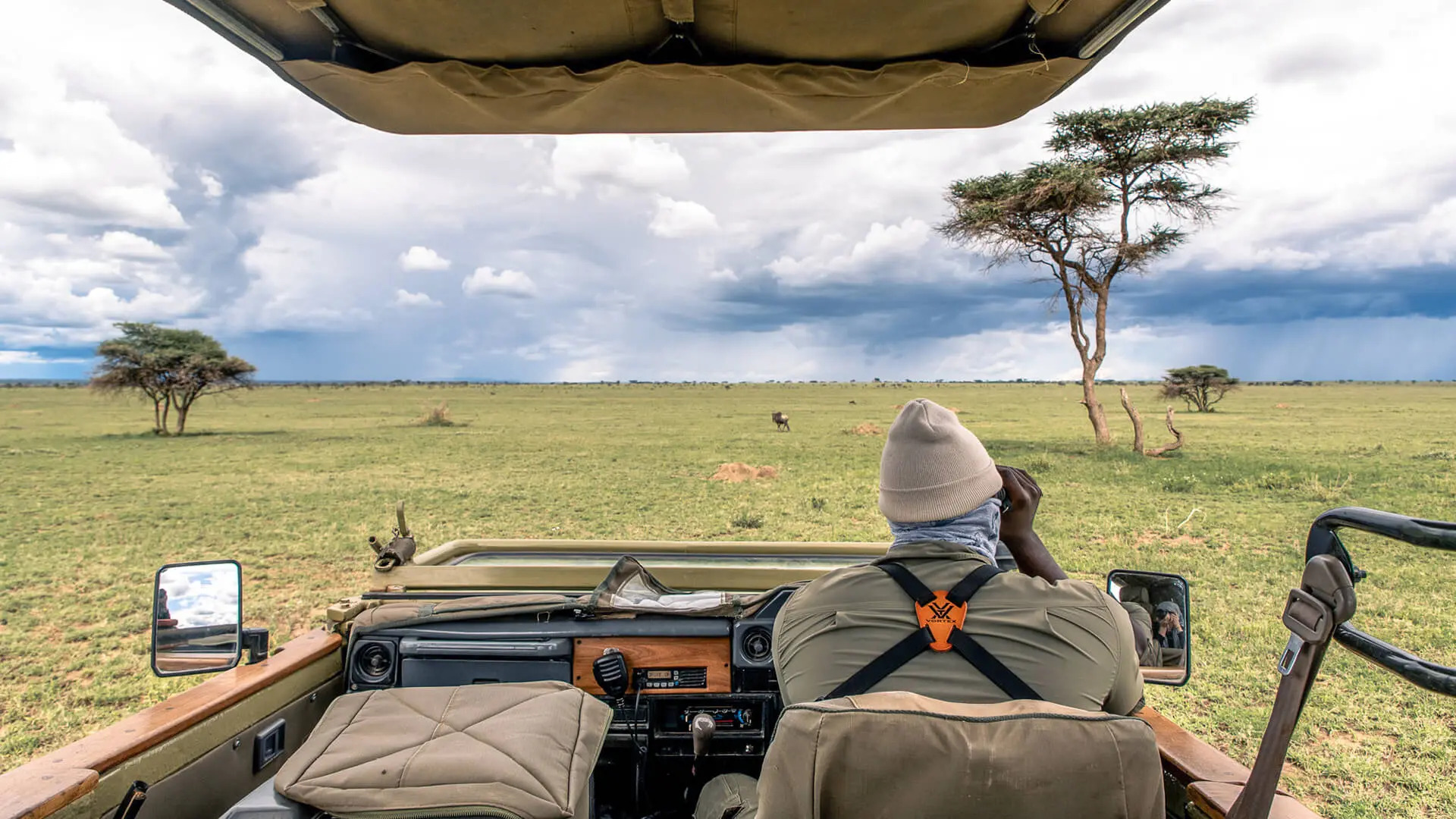
 A safari guide scans the African bushveld with binoculars from an open game vehicle, golden morning light catching the tall grass
Your first safari is coming up, and you are excited. Maybe a little nervous too. You have seen the photos — lions lazing in golden light, elephants crossing dusty roads, leopards draped over branches like they own the place. And you want all of that.
But here is what nobody tells you before your first game drive: the difference between an incredible first safari and a disappointing one usually comes down to small things. Things nobody posts about on Instagram. Things I wish somebody had told me before my very first drive in Pilanesberg, back when I was a trainee guide with more enthusiasm than sense.
I have guided thousands of first-time safari guests since then. I know exactly which mistakes come up again and again — and which simple adjustments transform a good drive into an unforgettable one.
Here are 15 things I genuinely wish I had known.
1. The Best Seat in the Vehicle Is NOT the Front
Everyone fights for the front seat. I get it — it feels like you are closer to the action, and you have that open windscreen view.
But here is the truth: the back row is almost always better for game viewing. You sit higher, you have 360-degree visibility, and when a leopard appears in a tree to the left while an elephant crosses the road ahead, you see both. Front-seat passengers twist their necks and miss half of it.
The only exception is if you get carsick easily — then sit in front. Otherwise, grab the back.
2. Wear Neutral Colours (But Not Full Camo)
You do not need to look like a soldier going to war. But wearing a bright red jacket or a neon-yellow raincoat is a terrible idea. Animals notice sharp colour contrasts, and some (especially elephants and buffalo) can become unsettled by bright colours.
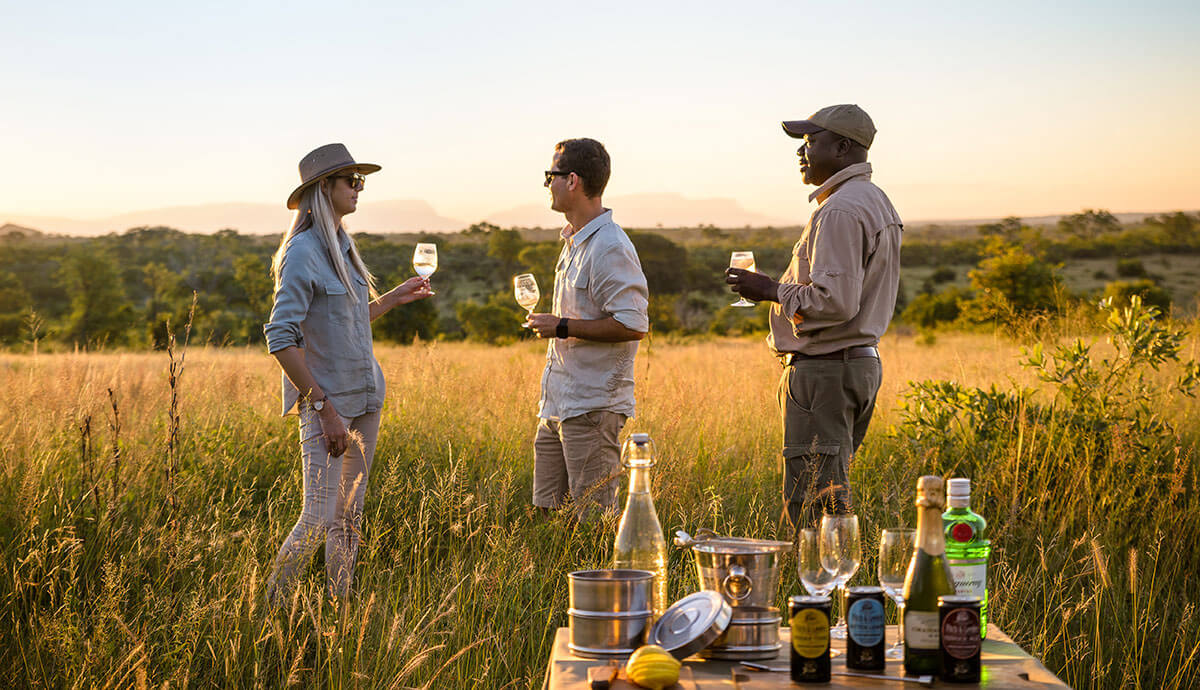 A sundowner moment with a guide in neutral-toned safari clothing — khaki, olive and earth tones are your best friends in the bush
Stick to khaki, olive, tan, grey, and dark brown. Cotton and linen breathe better than synthetics. And leave the perfume and cologne at the hotel — animals have incredible noses, and strong scents can spook them.
3. Your Phone Will Die at the Worst Possible Moment
You know exactly when your phone battery will hit 2%? Right when a pride of lions appears 10 metres from your vehicle.
Bring a portable power bank. Charge your phone fully the night before. And if you are serious about photos, bring a proper camera with a zoom lens (200mm minimum). Phone cameras have improved massively, but when a leopard is 80 metres up in a tree, your phone's digital zoom will give you a blurry yellow blob.
My recommendation: a camera with at least 200-400mm zoom for wildlife, and use your phone for wide landscape shots and selfies with the vehicle.
4. The Early Game Drive Is the One You Do NOT Want to Miss
I know. Waking up at 4:30 AM on holiday sounds criminal. The bed is warm, the coffee has not kicked in yet, and you convince yourself that the afternoon drive will be just as good.
It will not.
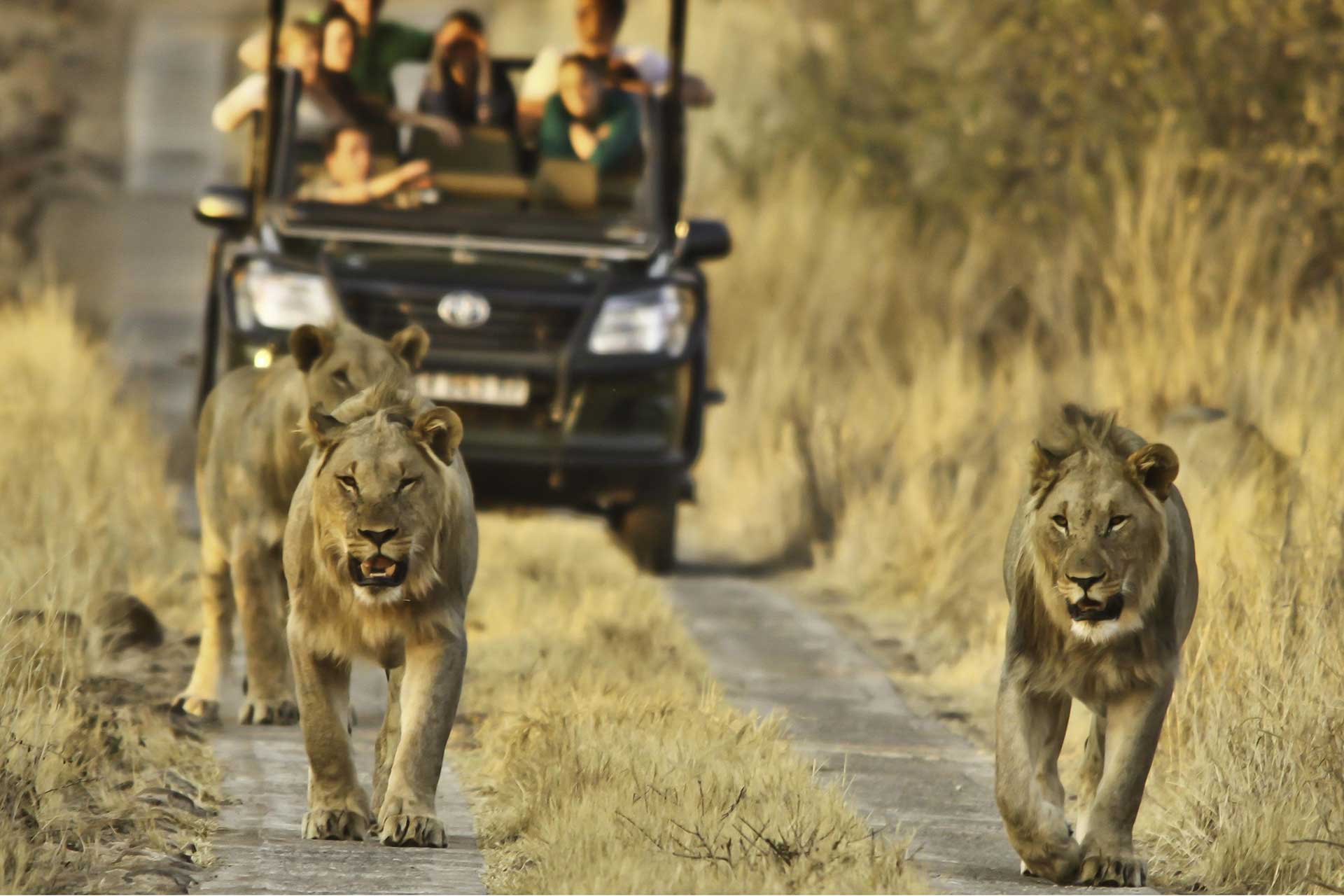
Dawn is when Africa wakes up. Predators are finishing their night hunts. Hyenas are trotting back to their dens. Lions are still active. The light is golden and low — perfect for photographs. And the air is cool enough that animals are moving, not hiding in shade.
Afternoon drives are beautiful too, especially for sunsets and elephants at waterholes. But if you have to choose one, always choose the morning.
5. Patience Is Not Optional — It Is the Entire Point
The single biggest mistake I see first-time guests make: they want to rush.
They see an impala and immediately ask "where are the lions?" They drive past a stunning lilac-breasted roller without a second glance. They check their watch during a quiet stretch of road.
Here is what experienced safari-goers know: the bush rewards patience. That "empty" patch of bush? Sit still for 10 minutes and watch. A bushbuck steps out. A francolin calls. A monitor lizard slides through the grass. The bush is never truly empty — you just need to slow down enough to see it.
And the Big Five sightings? They happen BECAUSE you are being patient. Lions sleep 20 hours a day. If you rush past a thicket, you will never see the male lying flat behind that termite mound.
6. Bring Binoculars — Even Cheap Ones
Most game lodges and guided tours provide binoculars, but they get shared between 6-8 guests. By the time the pair reaches you, that cheetah on the horizon has moved on.
Bring your own. They do not need to be fancy — a decent 8x42 or 10x42 pair costs R500-R1,500 and will transform your game drive. You will spot things other guests miss completely.
I have a pair that cost R800 and they have been with me for 11 years.
7. Sunscreen Goes On BEFORE You Get in the Vehicle
You are sitting in an open vehicle for 3-4 hours. The African sun does not care that it is winter. At altitude in the bushveld (most reserves are 900-1,200m above sea level), UV intensity is brutal even on overcast days.
Apply SPF 50 before the drive. Reapply at the halfway stop. And wear a hat with a brim — not a baseball cap, a proper wide-brimmed hat. Your ears, nose, and the back of your neck will thank you.
8. You Will Not See Everything in One Drive
Let me manage expectations honestly: the Big Five are called the Big Five because they are hard to find. Even in a reserve packed with wildlife.
On a typical day drive in Pilanesberg, you might see 3 of the Big Five. In Kruger over 3 days, you will very likely see 4 or all 5. At a luxury lodge in Sabi Sands, your odds of seeing all 5 in a single day are genuinely good — but still never guaranteed.
The point is: do not measure your safari by a checklist. I have had guests see all five by 9 AM and call it "just okay" because they wanted a kill. I have had guests see nothing but elephants for 3 hours and call it the best experience of their lives.
The bush gives you what it gives you. Receive it.
9. Layer Up — Mornings Are Freezing
Johannesburg in July: 2°C at dawn, 22°C by midday. Kruger in winter: 5°C at sunrise, 28°C by lunch. The temperature swing in the South African bush is enormous.
Layer. Start with a warm fleece and a windbreaker over your safari shirt. As the sun climbs, peel off layers. By 10 AM, you will be down to a t-shirt. By 4 PM on an afternoon drive, you will want that fleece again.
Many guests arrive at morning game drives in shorts and a thin shirt, then spend 2 hours shivering instead of enjoying the wildlife.
10. Keep Your Hands INSIDE the Vehicle
This sounds obvious. It is not.
I cannot count the number of times I have had to tell a guest — gently but firmly — to pull their arm back inside. You get excited, you lean out to take a photo, and suddenly your elbow is hanging over the side while a buffalo stares at you from 4 metres away.
Animals see the vehicle as a single large shape. They do not process it as "six humans sitting in a metal box." But the moment an arm or head extends beyond the vehicle's outline, you become a separate, threatening shape — and an animal that was calm can become aggressive in seconds.
Stay inside. Always.
11. Whisper, Do Not Shout
When a lion appears, the natural reaction is to shout "LION! THERE! LOOK!" at your partner.
Do not.
Loud, sudden noises startle animals and can cause them to move off. Worse, they can startle other animals you have not even noticed — like the elephant standing in the bush behind your vehicle.
Speak in whispers. Point quietly. Let the guide handle communication. The quieter you are, the closer animals will stay and the more natural their behaviour will be. Some of the most extraordinary wildlife moments I have ever witnessed happened because everyone in the vehicle was absolutely still and silent.
12. Do Not Skip the "Boring" Animals
Yes, you came for the lions. But if you spend the entire drive scanning only for big cats, you will miss 90% of what makes a safari magical.
Watch the dung beetles rolling their perfectly spherical balls of elephant dung. Watch the weaver birds building nests one blade of grass at a time. Watch a giraffe drinking — they have to spread their legs impossibly wide and lower that 2-metre neck, and it looks absolutely ridiculous every time.
The "small stuff" is where the real storytelling happens. And honestly? Watching a baby warthog sprint with its tail straight up in the air is one of the funniest things you will ever see.
13. Book at Least 2 Game Drives
If you can only do one drive, you will have a wonderful time. But a single drive gives you a snapshot — one time of day, one set of conditions, one route.
Two or more drives let you experience the bush in different moods. Morning vs afternoon. Sun vs overcast. Active vs sleepy. The bush is a different world at dawn compared to dusk, and experiencing both gives you the full picture.
Our Kruger 3-Day Safari includes 6 game drives over 3 days — and guests consistently say the last drive was the best, because by then they knew what to look for.
14. Ask Your Guide Everything
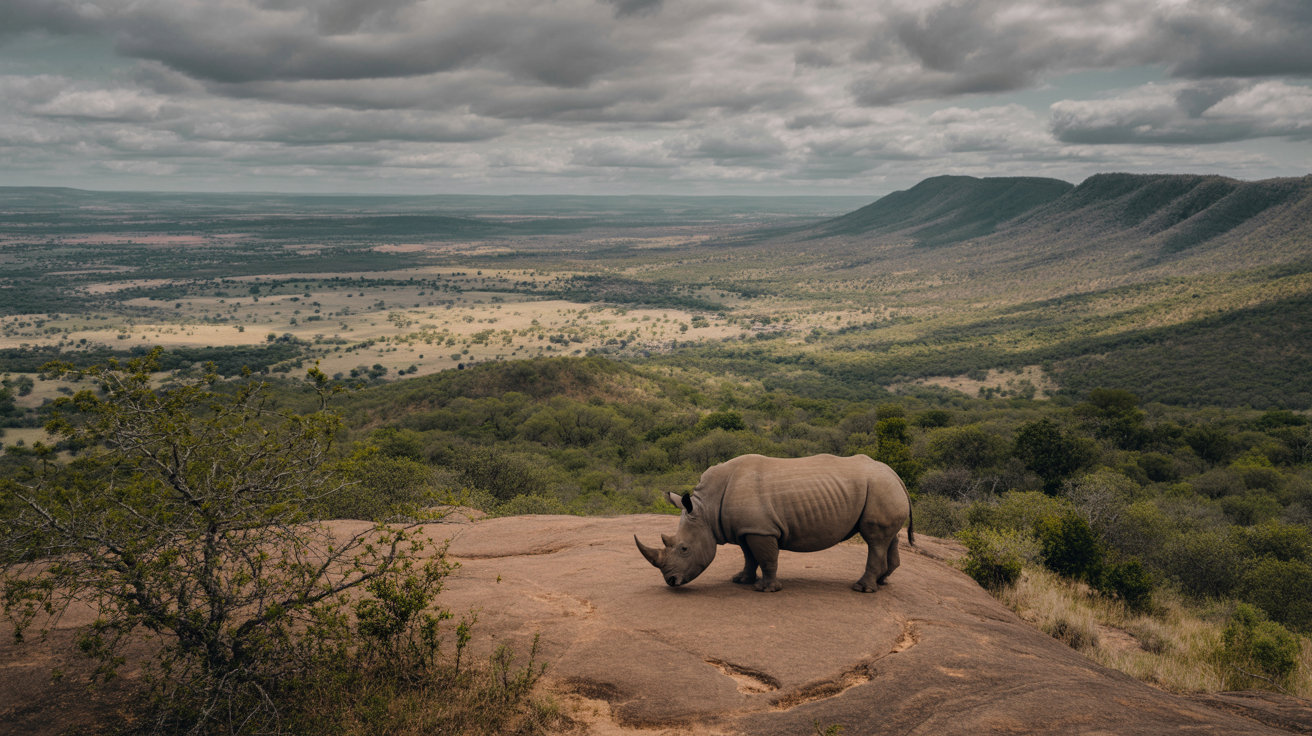
Your guide is not a taxi driver. They are a walking (well, driving) encyclopedia of the African bush. They can tell you why that tree has scratch marks (leopard sharpening claws), what that pile of dung tells you (white rhino midden — they always go in the same spot), and why those oxpeckers are going crazy (usually means a buffalo is hiding in the thicket).
Ask questions. There are no stupid ones. "What is that bird?" "Why is that zebra standing alone?" "What made that track?" Every question opens up a story, and those stories are what make a safari more than just a drive through a zoo.
The best guides — and I am proud to say we have exceptional ones at Bakubung Safaris — light up when guests are curious. It is why we do this job.
15. Book With Someone Who Actually Lives Here
I am biased, obviously. But this is genuinely important.
The safari industry in South Africa is full of international aggregators who have never set foot in Kruger. They repackage lodges and tours, add a 30-50% markup, and their "local knowledge" is a Wikipedia page they read last week.
When you book with a Johannesburg-based operator who drives these roads every week, you get:
- Real-time knowledge of which areas have the best sightings right now
- Honest advice about which experience matches your budget and expectations
- Direct WhatsApp access to a human who can adjust your plans on the fly
- Prices without the international middleman markup
That is not a sales pitch — it is simply the way safari works better.
Your First Safari Starts Here
If you have read this far, you are already better prepared than 90% of first-time safari guests. And that preparation is going to make the difference between a nice drive and an experience that rewires your brain.
The bush has a way of doing that. It strips away the noise of daily life and puts you face-to-face with something ancient and real. Your first game drive will not be your last — I promise you that.
Ready to book?
- Pilanesberg Day Safari from Johannesburg — From R1,800/person. Perfect first safari.
- Kruger 3-Day Safari — From R6,649/person. The full immersion.
- Read: How Much Does a Safari Actually Cost? — Honest pricing for every tier.
- Read: 3-Day Kruger Itinerary — Day-by-day plan for first-timers.
Or just message me directly. I answer every single one:
📱 WhatsApp Thabo — Let us plan your first safari.
🦁 See you in the bush.
— Thabo Makate, Bakubung Safaris & Tours