Discover the legendary five most iconic animals of the African bush.
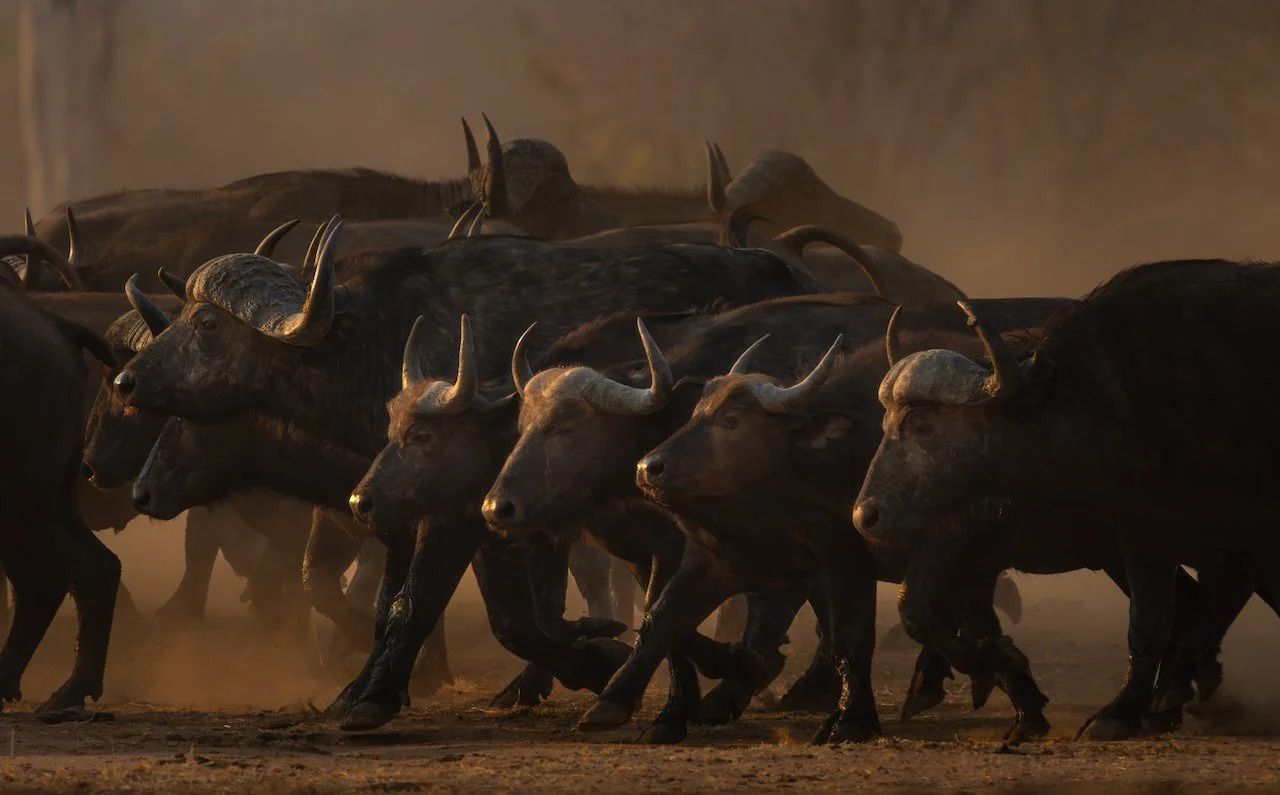
The African Cape buffalo (Syncerus caffer) is one of the most dangerous animals in Africa, earning the nickname "The Black Death" from hunters. Unlike their domesticated cousins, Cape buffalo are unpredictable, incredibly strong and notoriously bad-tempered. A herd of buffalo can number in the thousands, creating one of nature's most impressive spectacles. Buffalo are grazers that prefer open grasslands near water, and they play an important role in maintaining grassland ecosystems. They have a remarkable democratic decision-making process — herds "vote" on which direction to travel by the way individuals face while resting. Kruger National Park, Chobe and the Serengeti are excellent buffalo-viewing destinations.
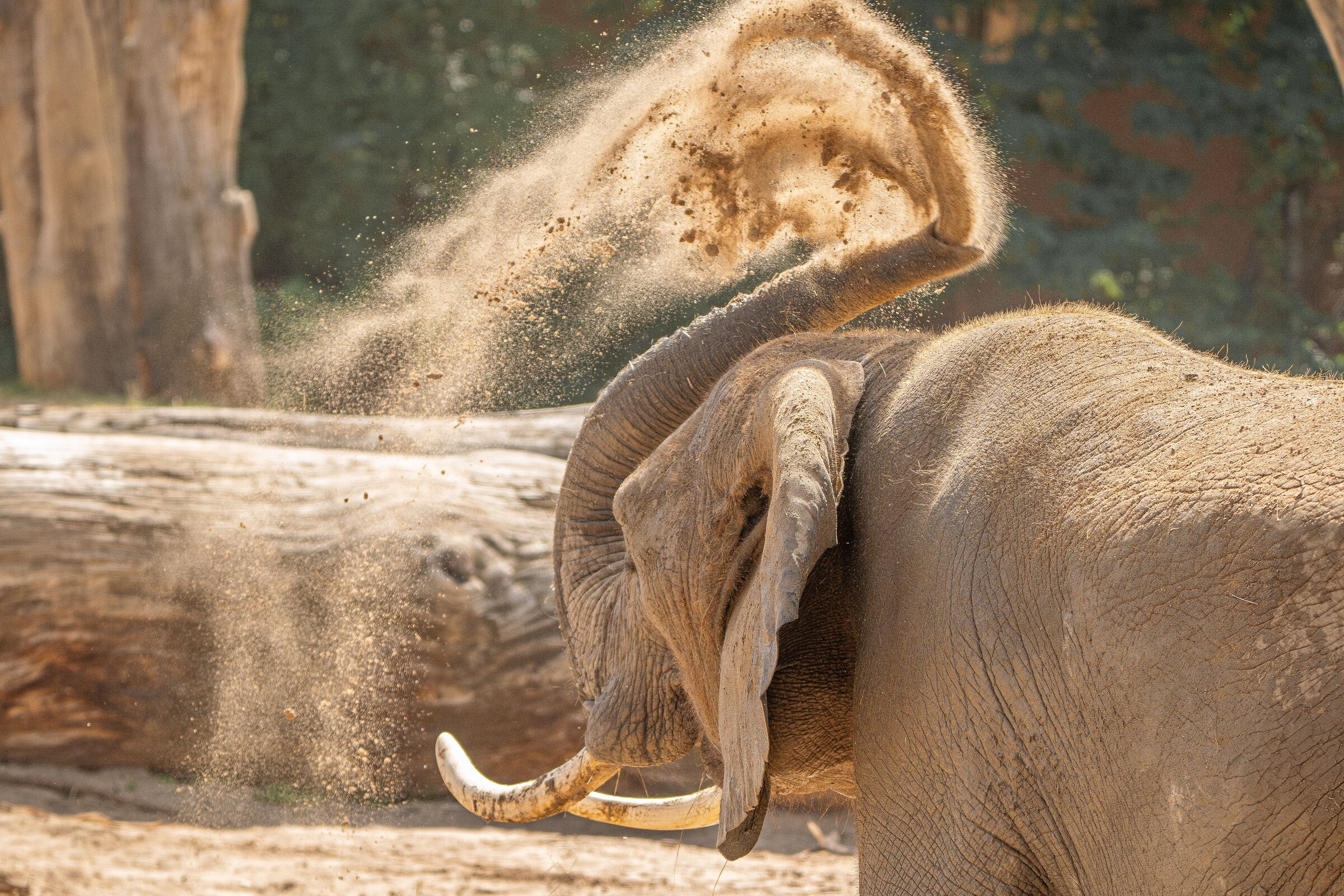
The African elephant (Loxodonta africana) is the largest land animal on Earth, with bulls weighing up to 6,000 kilograms. These gentle giants are renowned for their intelligence, complex social structures and remarkable memory. Elephant herds are led by a matriarch — the oldest and wisest female — who guides the family to water, food and safety. Elephants play a crucial role in their ecosystem as "landscape engineers," creating pathways through dense bush, digging waterholes and dispersing seeds. Chobe National Park in Botswana has the largest elephant concentration in Africa, with over 120,000 individuals. Addo Elephant National Park and Kruger are also excellent for elephant encounters.
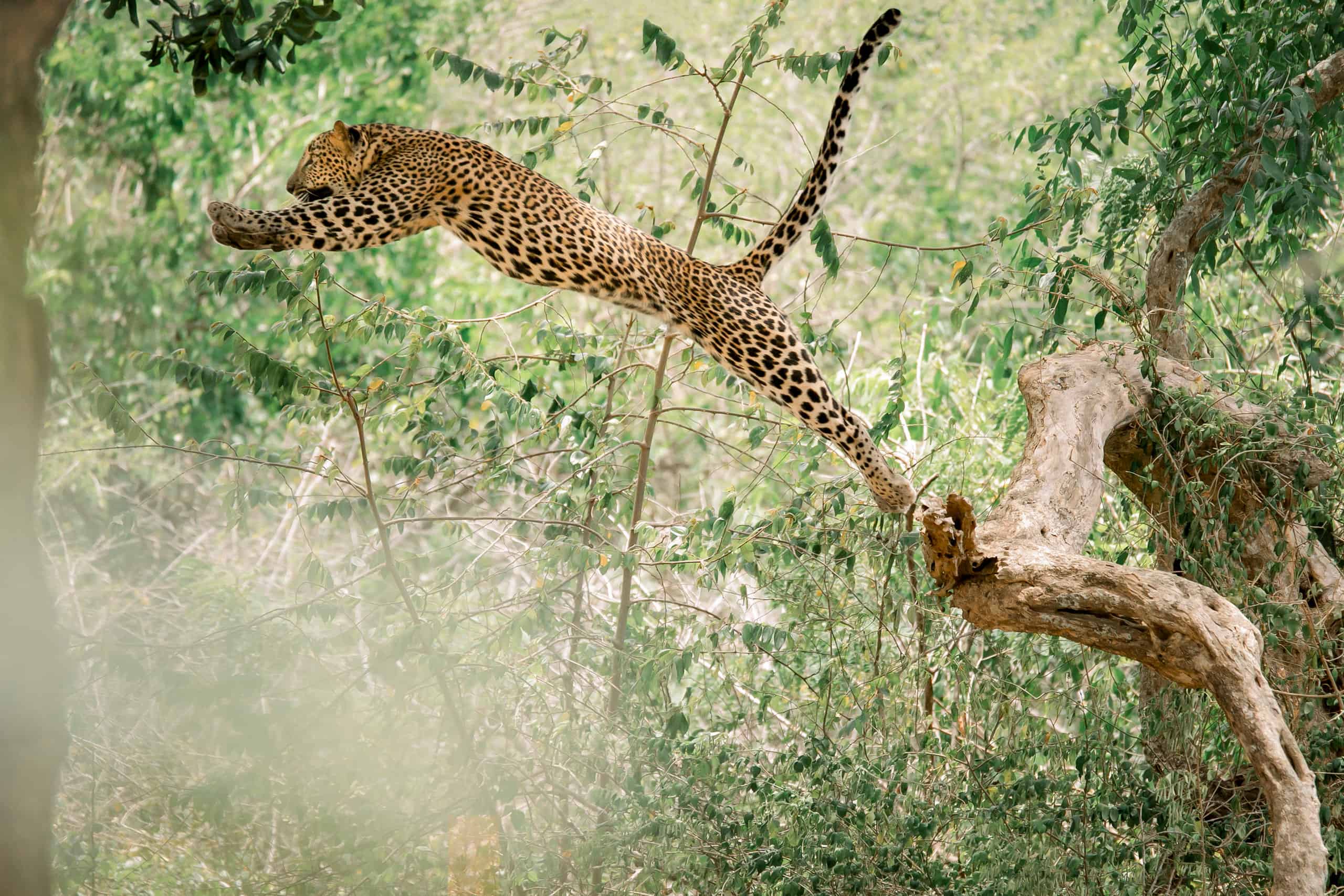
The African leopard (Panthera pardus) is the most elusive and adaptable of the Big 5. Known as the "Ghost of the Bush" for its stealth and nocturnal habits, the leopard is a solitary, powerful predator capable of hauling prey twice its weight into the branches of a tree. Their beautiful rosette-patterned coat provides perfect camouflage in dappled woodland light. Leopards are found across a wider range than any other big cat, from dense forests to open savannas. Kruger National Park, Sabi Sands and South Luangwa National Park in Zambia are among the best destinations for leopard sightings. Despite their adaptability, leopards face threats from habitat loss and human-wildlife conflict.
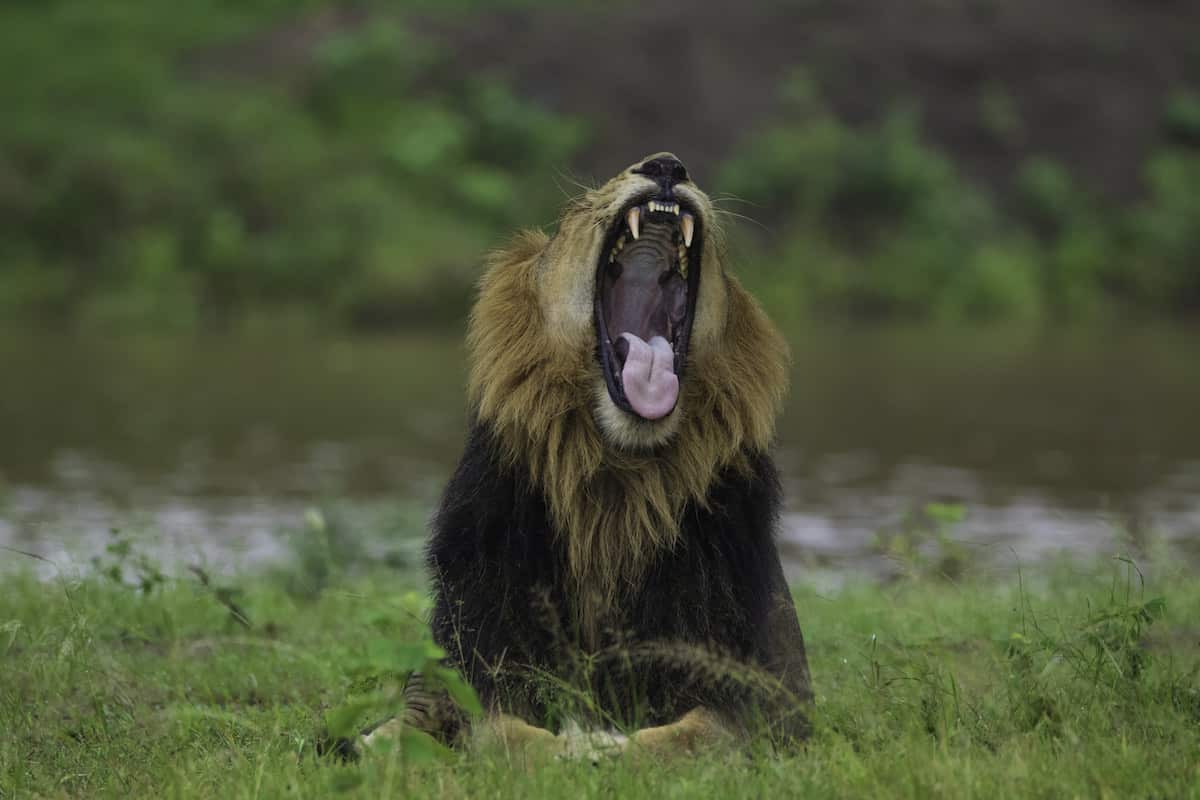
The African lion (Panthera leo) is the undisputed king of the savanna and the only truly social cat species. Living in prides of up to 30 individuals, lions are apex predators that dominate the African ecosystem. Male lions are distinguished by their magnificent manes, which serve as a signal of fitness and dominance. Despite their fearsome reputation, lions spend up to 20 hours a day resting. Lions once roamed across Africa, Asia and even Europe, but today their range has shrunk dramatically. In Southern Africa, the best places to see lions include Kruger National Park, the Kgalagadi Transfrontier Park, and the Okavango Delta. Conservation efforts have stabilised some populations, but the species remains classified as Vulnerable by the IUCN.
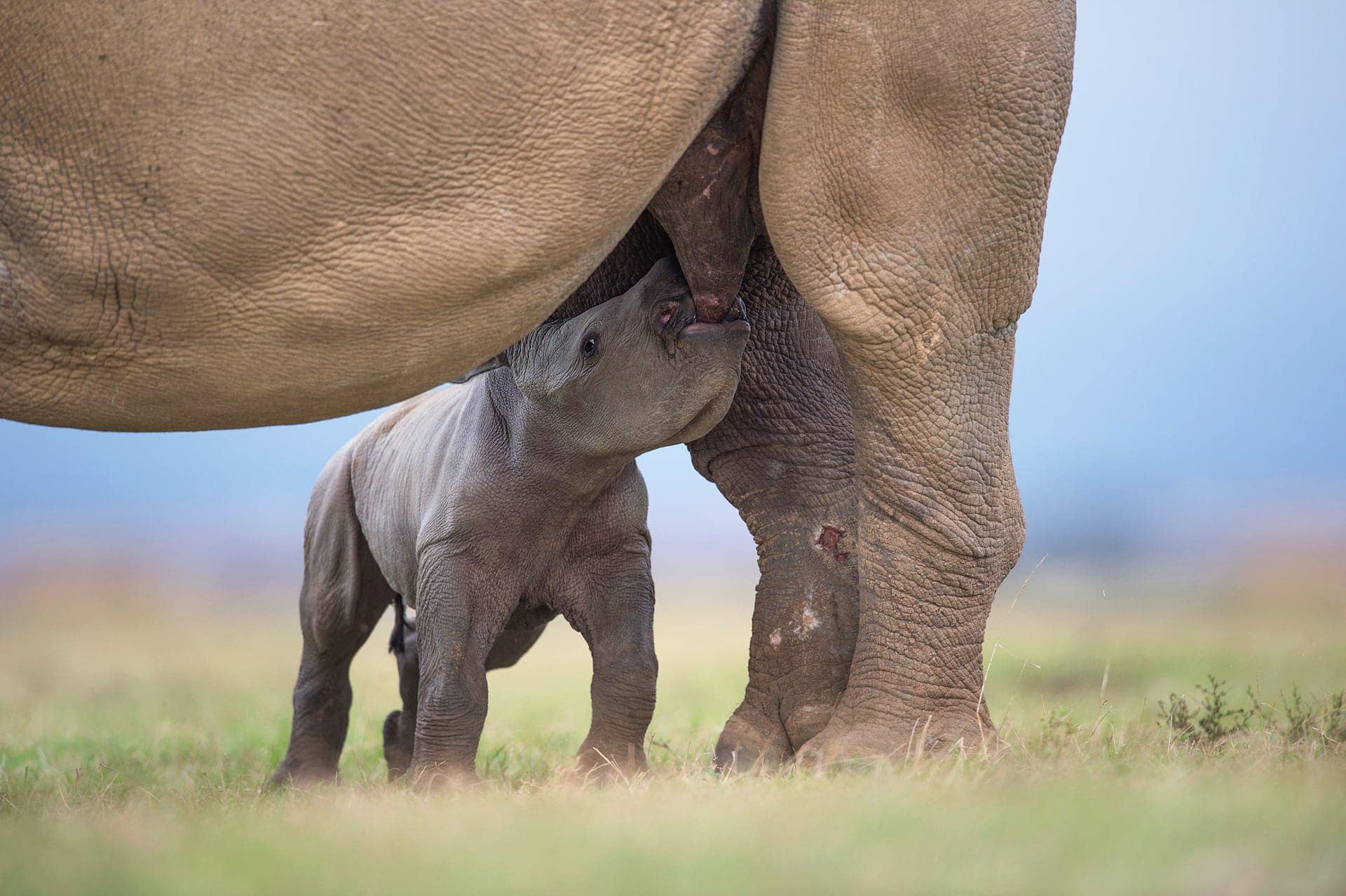
Southern Africa is home to both the white rhinoceros (Ceratotherium simum) and the critically endangered black rhinoceros (Diceros bicornis). The white rhino is the larger of the two species, weighing up to 2,300 kilograms, and is primarily a grazer. The black rhino is a browser with a distinctive hooked upper lip. Despite their armoured appearance, rhinos are surprisingly agile and can charge at speeds of up to 55 km/h. Rhinos face an existential threat from poaching, driven by demand for their horns in traditional medicine. South Africa is home to approximately 80% of the world's remaining rhinos. Conservation programmes in Kruger National Park, Pilanesberg and private reserves are working tirelessly to protect these magnificent creatures.