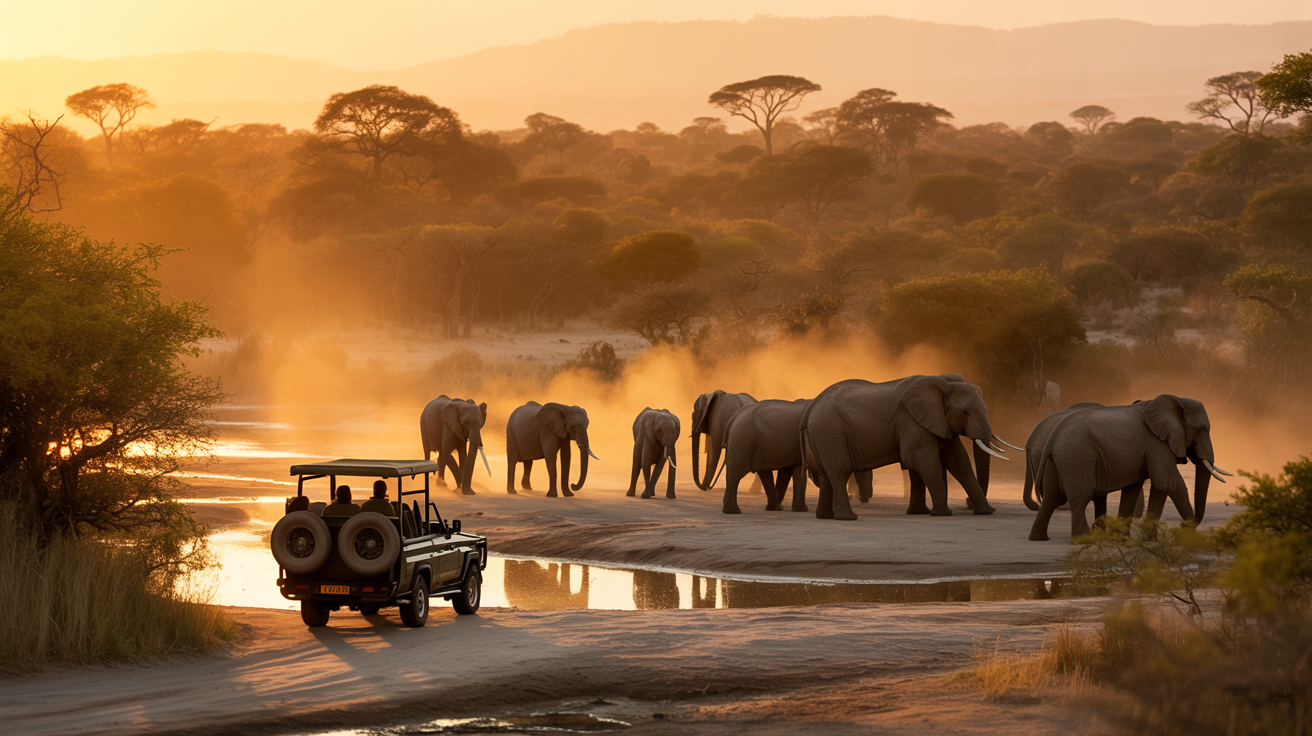
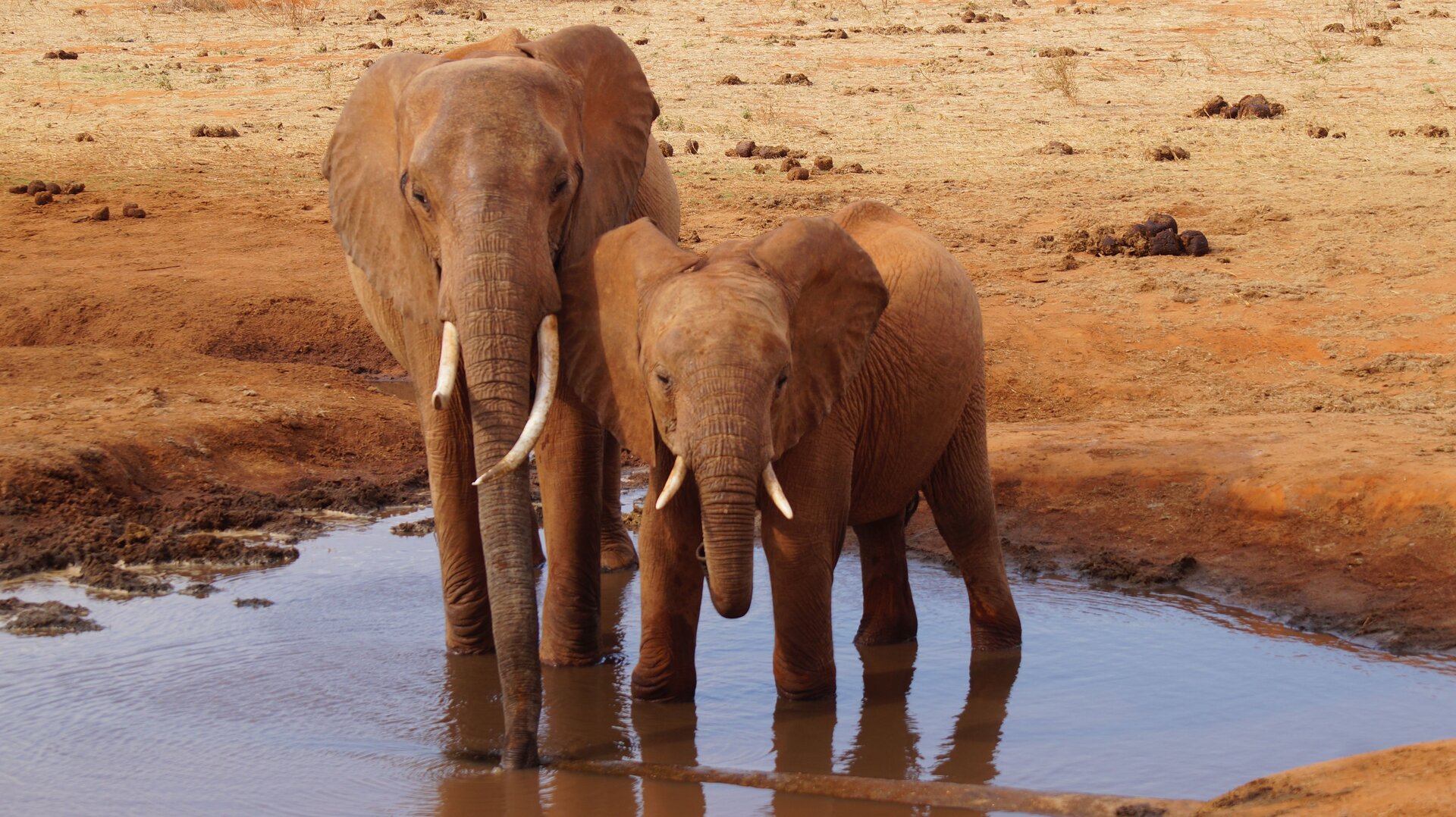
 Elephants at a waterhole in Kruger National Park — the quintessential South African bushveld safari experience
If there is one place that captures the soul of an African safari, it is the Kruger National Park. This is where I fell in love with the bush as a boy, and it remains the beating heart of everything we do at Bakubung Safaris. Kruger is not just South Africa’s flagship reserve — it is one of the greatest wildlife sanctuaries on Earth, a wilderness the size of a small country where the Big Five roam freely across nearly 20,000 km² of iconic lowveld.
For 2026, Kruger remains the single most accessible world-class safari destination on the planet. You can leave Johannesburg after breakfast and be watching lions by sundown. Whether you want a budget self-drive adventure, a comfortable guided lodge stay, or the ultimate luxury of a private Sabi Sands villa, Kruger delivers it all — and it does so at prices that make it the best-value premier safari on the continent.
As a Johannesburg-based operator who runs trips to Kruger year-round, this is our honest, insider guide to planning your perfect 2026 Kruger safari.
Why Choose Kruger National Park?
Kruger earns its legendary status for good reason:
- The Big Five, all in one park — lion, leopard, elephant, buffalo, and rhino all thrive here, along with cheetah, wild dog, hippo, giraffe, and over 500 bird species
- Unbeatable accessibility — just a 4–5 hour drive or a short flight from Johannesburg; no other Big Five park on Earth is this easy to reach
- Every budget catered for — from R300 day-visitor entry and self-catering rest camps to R25,000-a-night private lodges
- Self-drive freedom — Kruger’s excellent tarred and gravel road network lets you explore independently, a rarity among Africa’s great parks
- World-class private reserves — the Greater Kruger (Sabi Sands, Timbavati, Manyeleti) offers off-road traversing and the best leopard viewing in Africa
- Malaria-risk is low and seasonal — with simple precautions, Kruger is very manageable, and the southern camps carry minimal risk in the dry winter months
Understanding Kruger: Regions & Where to Stay
Kruger is vast, and where you stay dramatically shapes your experience. The park is broadly divided into three regions, plus the exclusive private reserves along its western boundary.
Southern Kruger — The Big Five Heartland
The southern section (below the Sabie River) has the highest game densities in the park and the best road network. This is where first-timers should focus. Key rest camps:
- Skukuza — the park’s largest camp and “capital,” on the Sabie River with a golf course, restaurants, shop, and its own airport
- Lower Sabie — arguably the best-located camp in Kruger, overlooking the Sabie River with phenomenal game viewing on its doorstep
- Pretoriuskop — the oldest camp, good for white rhino and wild dog
- Berg-en-Dal — modern camp in scenic granite hills, excellent for rhino
Best for: First-timers, Big Five sightings, self-drive, families
Central Kruger — Big Cat Country
The central region (between the Sabie and Olifants rivers) is dominated by open savanna and sweet grasses that attract huge herds of buffalo, zebra, and wildebeest — and the lions that follow them. This is the best area for big cat sightings. Key camps:
- Satara — known as “cat camp” for its exceptional lion and cheetah density
- Olifants — spectacularly perched on cliffs above the Olifants River, the most scenic camp in Kruger
- Orpen — a quiet gateway camp near excellent plains game
Best for: Lions, cheetah, big herds, dramatic scenery
Northern Kruger — Wild & Remote
North of the Olifants River, the crowds thin dramatically and the landscape shifts to mopane woodland, baobabs, and the tropical Luvuvhu River. It’s quieter on general game but unbeatable for birding, elephants, and wilderness solitude. Key camps:
- Letaba — elephant country, home to the fascinating Elephant Hall museum
- Shingwedzi & Punda Maria — remote, peaceful, superb birding
- Pafuri region — the far north, a birder’s paradise and one of the most beautiful corners of the park
Best for: Birders, repeat visitors, elephants, escaping the crowds
The Greater Kruger Private Reserves — Luxury & Leopards
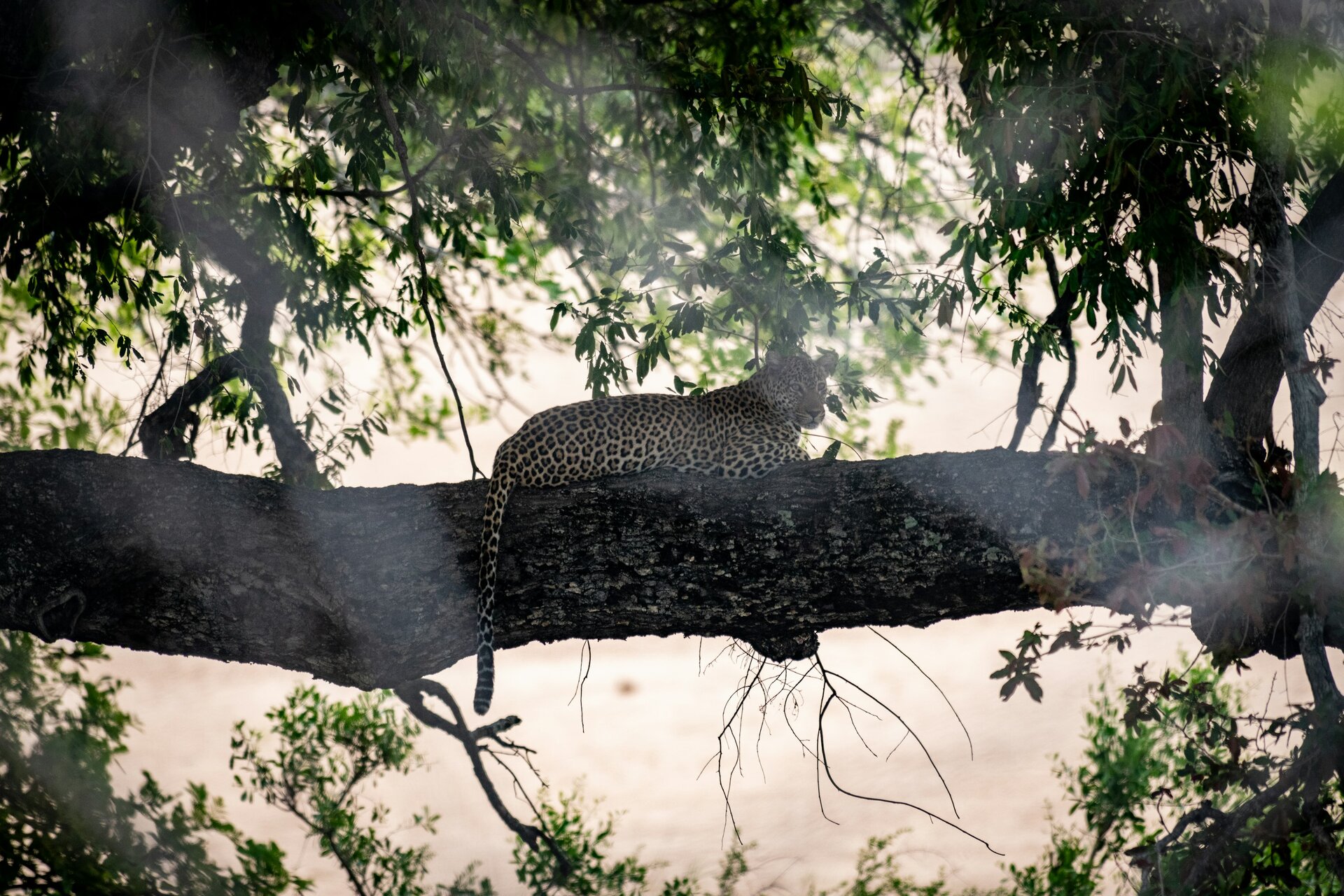 A leopard resting in a tree — the Greater Kruger’s private reserves offer the finest leopard viewing in Africa
Along Kruger’s unfenced western boundary lie the private reserves — Sabi Sands, Timbavati, Manyeleti, and Thornybush. Wildlife moves freely between them and the national park, but here the rules are different: expert-guided open 4×4 game drives can go off-road, follow animals directly, and conduct night drives. The result is the most intimate, up-close wildlife viewing on the continent.
Sabi Sands is world-famous for habituated leopards — nowhere else on Earth offers such reliable, relaxed leopard sightings. Lodges here range from the accessibly luxurious to the ultra-exclusive (Londolozi, Singita, MalaMala, Sabi Sabi). Timbavati is renowned for its rare white lions and slightly better value.
Best for: Honeymoons, photographers, leopard obsessives, luxury travellers, those who want everything done for them
Self-Drive vs Guided Safari: Which Is Right for You?
This is the most important decision you’ll make. Here’s the honest breakdown:
| Self-Drive | Guided Safari | |
|---|---|---|
| Cost | Cheapest — you control everything | Higher — but all-inclusive |
| Flexibility | Total freedom, your own pace | Set drive times (dawn & dusk) |
| Spotting skills | Up to you — you’ll miss a lot at first | Expert trackers find far more |
| Off-road | Not permitted in the national park | Permitted in private reserves |
| Night drives | Only on booked guided night drives | Included in private reserves |
| Best for | Budget travellers, road-trippers, families | First-timers, photographers, luxury seekers |
Our honest advice: If it’s your first safari and budget allows, do at least a couple of nights in a guided private reserve — the difference an expert tracker makes is extraordinary. For a longer, budget-friendly trip, combine self-drive in the national park with two nights of guided luxury in the Greater Kruger. That combination is, in our view, the perfect Kruger safari.
Best Time to Visit Kruger
| Season | Months | What to Expect |
|---|---|---|
| Dry/Winter (best game viewing) | May – September | Sparse vegetation and animals gathering at waterholes make wildlife easy to spot; low malaria risk; cool mornings; minimal rain |
| Green/Summer (lush & birding) | November – March | Lush landscapes, newborn animals, migratory birds, and dramatic storms; hot and humid; higher malaria risk; some sightings harder in thick bush |
| Shoulder (great value) | April & October | Pleasant weather, thinning bush, good game viewing, fewer crowds, better rates |
Our recommendation: For the best all-round Kruger safari, visit between May and September. The winter dry season delivers the easiest Big Five viewing of the year, comfortable temperatures, and the lowest malaria risk. July and August are peak — book well ahead.
What Does a Kruger Safari Cost?
We believe in honest, transparent pricing. Here’s what to budget in South African Rands:
| Package | Duration | Price (ZAR) | Includes |
|---|---|---|---|
| Kruger Day Safari | 1 day | From R1,899/pp | Return transport from a lodge/gate, open-vehicle game drive, park fees, guide |
| Classic Kruger Self-Drive Support | 3 days | From R6,999/pp | Rest camp accommodation, vehicle guidance, route planning, park fees |
| Guided Kruger Lodge Safari | 3 nights | From R16,999/pp | Full-board lodge, twice-daily guided game drives, transfers, park fees |
| Greater Kruger Luxury | 3 nights | From R34,999/pp | Private reserve lodge, off-road game drives, all meals & drinks, expert ranger & tracker |
| Ultimate Kruger Experience | 5 nights | From R59,999/pp | National park + private reserve combo, flights from Joburg, private guide, luxury lodges |
All prices per person sharing. Include accommodation, meals and activities as specified, and park fees. Prices valid for the 2026 season and vary by lodge and season.
Getting to Kruger from Johannesburg
- By road: The southern gates (Malelane, Numbi, Phabeni, Kruger Gate) are a scenic 4–5 hour drive (≈420 km) from Johannesburg via the N4 — easy self-drive or we can arrange a private transfer
- By air: Direct flights from OR Tambo (Johannesburg) to Skukuza Airport (≈50 min), Kruger Mpumalanga International (Nelspruit/KMIA), or Hoedspruit (Eastgate) for the central/private reserves
- Fly-in to private reserves: Most Sabi Sands and Timbavati lodges arrange light-aircraft transfers directly to their own airstrips
Insider Tips for Your Kruger Safari
- Enter at gate opening — the first two hours after dawn are the most productive game-viewing of the day
- Be patient at waterholes — park, switch off, and wait; the bush comes to those who sit still
- Book a guided night drive — even self-drivers can book these through the rest camps to see nocturnal species
- Download the Latest Sightings app — self-drivers use it to share and find recent Big Five sightings
- Carry the malaria basics — speak to your doctor about prophylactics for summer visits; use repellent at dawn and dusk
- Book camps early — SANParks rest camps for July, August, and school holidays fill up 11 months in advance
- Don’t rush — three nights is the minimum to do Kruger justice; five or more is ideal
Frequently Asked Questions
Is Kruger National Park safe? Yes. Kruger is very safe and extremely well managed by SANParks. Follow the simple rules — stay in your vehicle except at designated points, keep to speed limits, and don’t drive after gate-closing time — and you’ll have a wonderful, secure experience.
Can I see the Big Five in Kruger? Absolutely — Kruger is one of the best places on Earth to see all of the Big Five. Lion, elephant, buffalo, and rhino are seen regularly; leopard is the trickiest, which is why the private reserves (especially Sabi Sands) are so prized for reliable leopard sightings.
Do I need a 4x4 for a Kruger self-drive? No. The national park’s main roads are tarred and the gravel roads are well maintained — an ordinary sedan is fine. A higher-clearance vehicle is more comfortable but not necessary.
Is Kruger malaria-free? No, but the risk is low and seasonal. It is highest in the wet summer months (November–April) and very low in the dry winter. Take prophylactics for summer visits and use mosquito repellent. If you want a completely malaria-free Big Five option, ask us about Pilanesberg or Madikwe instead.
How many days do I need in Kruger? Three nights is the practical minimum; five nights lets you explore more than one region and combine the national park with a private reserve. Day trips are possible if you’re staying nearby but won’t show you the full magic of the park.
Is Kruger welcoming to LGBTQ+ travellers? Yes. South Africa has the most progressive LGBTQ+ laws on the continent, and the lodges and camps we work with in and around Kruger are warm, professional, and welcoming to everyone. As a proudly LGBTQ+-owned operator, we host same-sex couples on Kruger safaris regularly — read our honest LGBTQ+ safari guide for more.
Kruger is where the African safari dream begins. Whether you’re watching a leopard drape itself over a marula branch in the Sabi Sands, sitting quietly as a herd of elephants crosses the road in front of you, or simply soaking up a lowveld sunset with a drink in hand, this park will get under your skin — just as it did mine all those years ago.
Ready to experience Kruger? Get in touch with our team and let’s build your perfect Kruger safari.
Bakubung Safaris & Tours — Born in Johannesburg, made for Africa.