About the Rhino
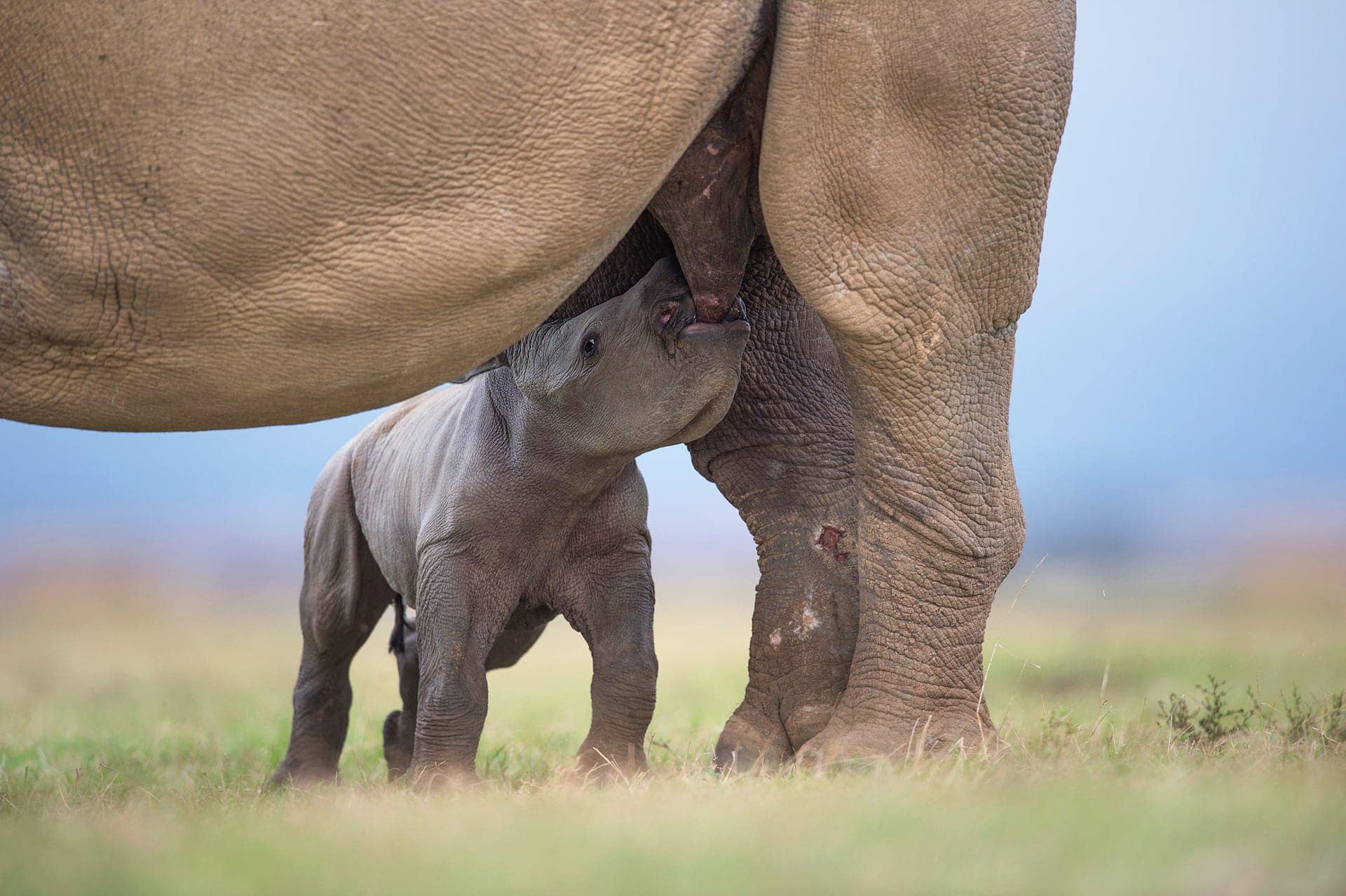
Southern Africa is home to both the white rhinoceros (Ceratotherium simum) and the critically endangered black rhinoceros (Diceros bicornis). The white rhino is the larger of the two species, weighing up to 2,300 kilograms, and is primarily a grazer. The black rhino is a browser with a distinctive hooked upper lip. Despite their armoured appearance, rhinos are surprisingly agile and can charge at speeds of up to 55 km/h. Rhinos face an existential threat from poaching, driven by demand for their horns in traditional medicine. South Africa is home to approximately 80% of the world's remaining rhinos. Conservation programmes in Kruger National Park, Pilanesberg and private reserves are working tirelessly to protect these magnificent creatures.
Fascinating Facts
Rhino horn is made of keratin, the same protein as human fingernails
White rhinos are not white — the name comes from the Dutch word "wijd" meaning wide
Rhinos have poor eyesight but excellent hearing and smell
A group of rhinos is called a "crash"
They can run up to 55 km/h despite weighing over 2 tonnes
Where to See
- Kruger National Park
- Pilanesberg
- Hluhluwe-iMfolozi
- Madikwe
- Waterberg Reserves