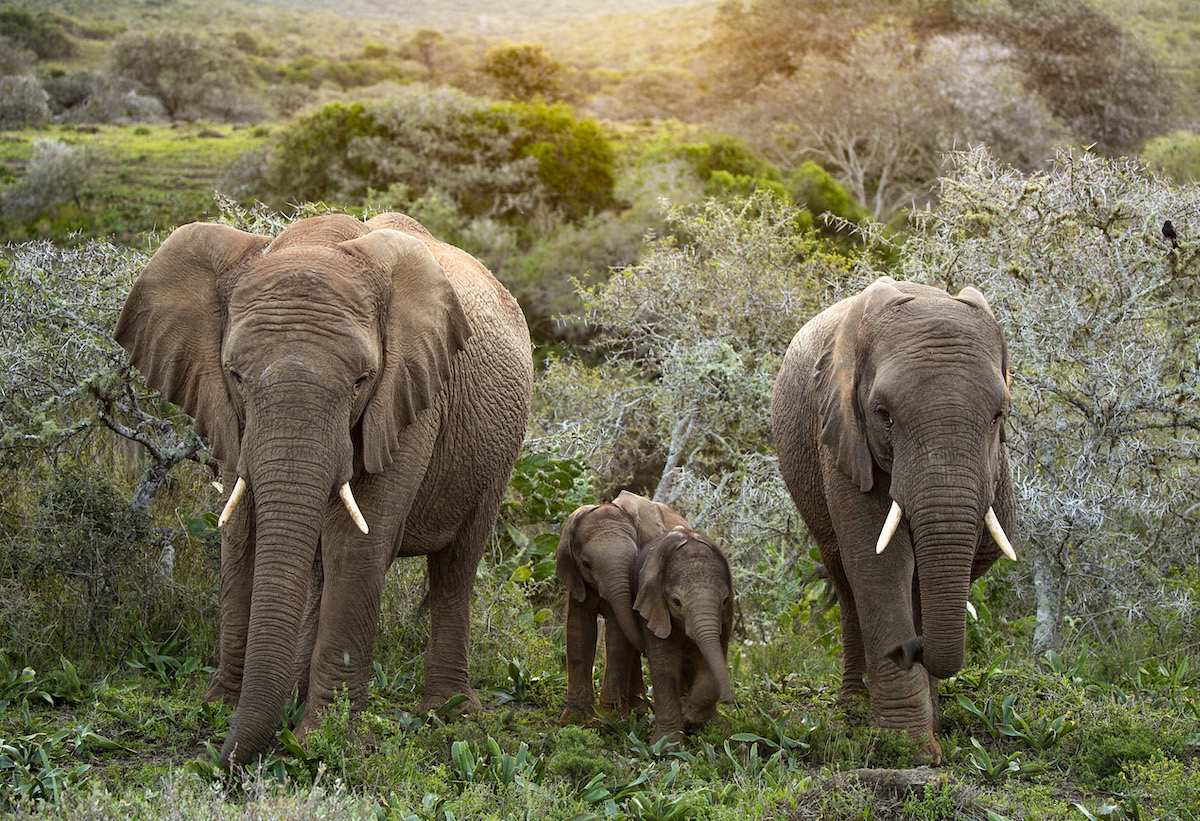
 An elephant family with a tiny calf walks through lush green bush — this is the magic of green season, when new life fills the African landscape
Every safari website will tell you to visit in the dry season. June to October. The "best" time. The "peak" season. The time when the bush is bare, the animals cluster at waterholes, and the sighting reports are at their most dramatic.
And they are not wrong — dry season is extraordinary.
But here is what they will not tell you: the green season (November to March) is when the African bush is at its most beautiful, its most alive, and its most affordable. And for a certain kind of traveller — the one who wants drama, colour, fewer crowds, and honest value — it is genuinely the better choice.
I guide safaris year-round. I see both seasons, every year, in their full glory. Let me give you the honest, unfiltered comparison.
What Is "Green Season"?
Green season is South Africa's summer — November through March. The rains arrive, the brown winter bush explodes into vivid green, and the landscape transforms from sparse and stark to lush and teeming.
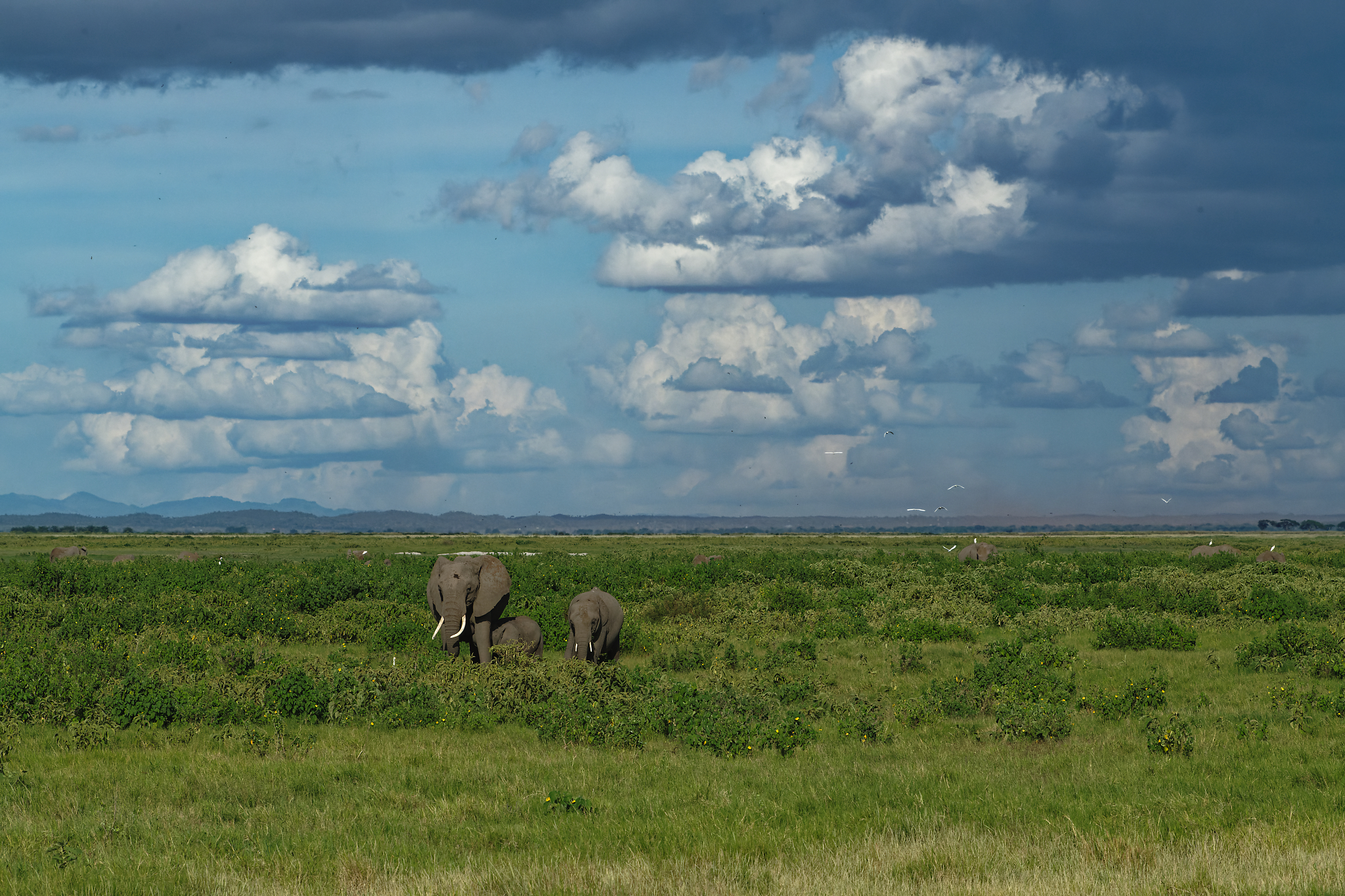 Elephants graze beneath dramatic cumulonimbus storm clouds over the green African savanna — these skies exist only in summer
The safari industry calls it "green season" instead of "rainy season" because the rain is not constant. It typically falls in short, dramatic afternoon thunderstorms — the sky darkens, the rain hammers down for an hour, and then the sun comes out again. Morning game drives are almost always dry. The rain creates photographic drama, not misery.
The 7 Reasons Green Season Is Underrated
1. Baby Animals Everywhere
This is the big one. Most African animals time their births for the green season, because the rains bring fresh grass and abundant food for nursing mothers.
In November to February, you will see:
- Baby elephants stumbling adorably beside their mothers
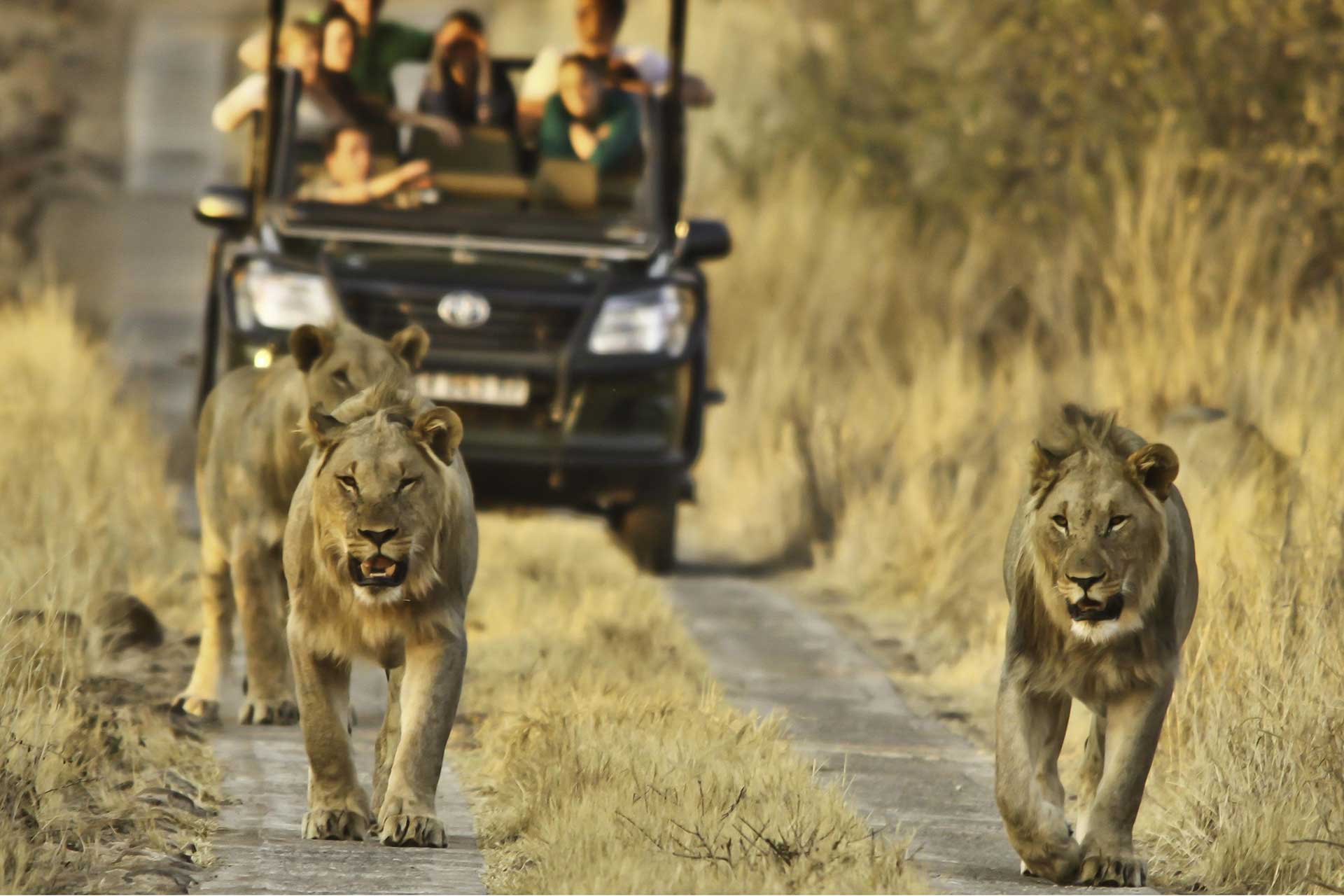
- Lion cubs tumbling over each other at den sites
- Impala lambs (born in incredible synchronised waves — hundreds in a single week)
- Baby zebras, wildebeest, giraffes, warthogs — everything is having babies
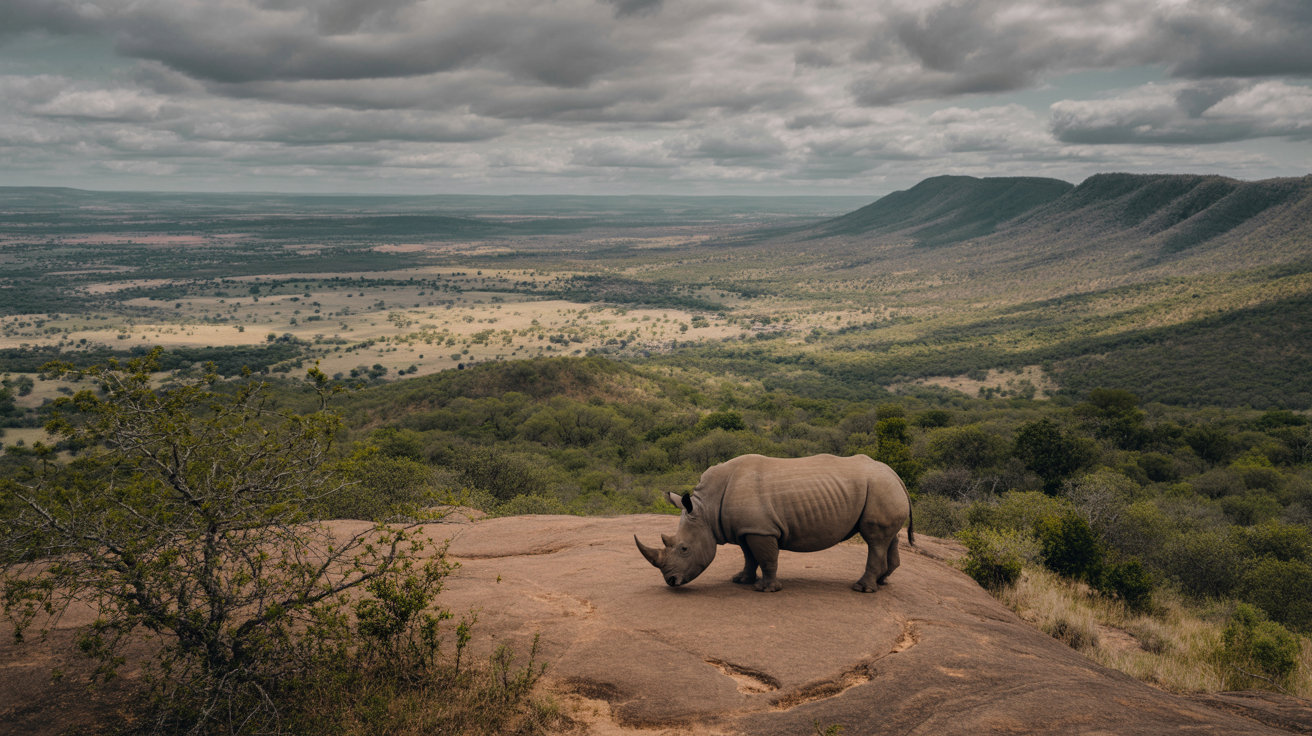
- Newborn rhino calves (incredibly rare to witness)
The bush feels like a nursery. It is impossibly tender and photogenic, and it simply does not happen in dry season.
2. The Landscapes Are Breathtaking
Dry season Kruger is beautiful in a stark, raw way. But green season Kruger? It is lush, vivid, saturated. The acacias are draped in fresh leaves. The grass is emerald. The sky has clouds — not just blue, but towering cumulonimbus thunderheads that produce the most dramatic landscape photography you have ever taken.
The difference in your photos is staggering. Dry season = brown and gold. Green season = green, blue, gold, purple. If photography matters to you, green season wins outright.
3. Bird Paradise
South Africa's migrant birds arrive in October and stay through March. The green season bird count in Kruger jumps from ~350 resident species to over 500.
If you care about birding at all, this is the only time to come. European bee-eaters, woodland kingfishers, Wahlberg's eagles, cuckoos, rollers — the dawn chorus in green season is overwhelming.
Even if you are not a dedicated birder, the colour and activity of summer birds transforms the game drive experience.
4. Fewer Tourists, More Space
Peak season (June-September) in Kruger and Sabi Sands means queues at gates, crowded sighting spots (sometimes 15 vehicles around one leopard), and fully booked rest camps.
Green season? You might have a lion sighting to yourself. The roads are quieter. The camps are calmer. The lodges are less full. The whole experience is more intimate and more personal.
5. The Prices Are Genuinely Lower
This is not a 5% discount. Green season prices at many lodges are 30-50% lower than peak rates.
| Experience | Peak Season Price | Green Season Price | Saving |
|---|---|---|---|
| Pilanesberg Day Safari | R1,800/person | R1,800/person | Same (already great value) |
| Kruger rest camp bungalow | R2,200/night | R1,400/night | ~36% |
| Mid-range private lodge | R8,000/person/night | R5,000/person/night | ~37% |
| Luxury Sabi Sands lodge | R25,000/person/night | R15,000/person/night | ~40% |
| Ultra-luxury (Singita etc.) | R55,000/person/night | R35,000/person/night | ~36% |
That R10,000/night saving at a Sabi Sands lodge? Over 3 nights, that is R30,000 per person you keep in your pocket. For the same lodge, the same guides, the same food.
6. Predator Activity Peaks
This one surprises people. You might assume predators are easier to spot in dry season because the bush is thinner. And that is partly true — they are easier to see.
But in green season, predators are more active. The abundance of baby animals means more hunting. More kills. More dramatic predator behaviour. If you want to see a cheetah run or a lion pride on a hunt, green season delivers more action.
The trade-off: thicker vegetation means you need a sharper eye (and a good guide). But the quality of the sightings? Often better.
7. The Sunsets Are on Another Level
Dry season sunsets are beautiful. Green season sunsets are apocalyptic. The moisture in the air, the clouds, and the storm systems create sunsets that look photoshopped — purples, oranges, reds, and golds reflected in rain puddles across the savanna.
The golden hour lasts longer. The light is softer. Every photograph has depth and drama that the clear, cloudless dry-season sky simply cannot match.
The Honest Downsides
I promised honesty, so here it is:
Malaria Risk Is Higher
Green season = more standing water = more mosquitoes = higher malaria transmission in risk areas (Kruger, Sabi Sands). Take prophylaxis, use repellent, and wear long sleeves at dusk. Or choose a malaria-free reserve like Pilanesberg and eliminate the concern entirely.
Thick Vegetation
The lush green bush means some animals are harder to spot. Leopards in particular can vanish into the undergrowth. You may need more patience and a better guide (another reason to book with someone who knows the reserve intimately).
Afternoon Rain
You will get rained on. Usually briefly, usually dramatically, and usually not during morning game drives. But bring a rain jacket and accept that some afternoon drives may get cut short. Most lodges adjust schedules accordingly.
Some Roads May Be Impassable
Heavy rains can flood low-water bridges in Kruger and make gravel roads muddy. Self-drivers need to check conditions. Guided tours handle this — we know the alternatives.
Who Should Choose Green Season?
✅ Photographers — The light, landscapes, baby animals, and dramatic skies are unbeatable. ✅ Budget-conscious travellers — 30-50% savings on lodges is significant. ✅ Birders — 500+ species vs 350. No contest. ✅ Couples and honeymooners — Fewer crowds, more intimate, lower prices. ✅ Repeat visitors — If you have done dry season, green season shows you a completely different bush.
❌ First-timers who only have one shot — If this is your only safari ever, dry season is the safer bet for Big Five sightings (though green season is absolutely still Big Five territory). ❌ Self-drivers uncomfortable with rain and mud — Guided is better in green season.
My Green Season Recommendation
Late November to early December is the sweet spot. The rains have started, the bush is green, baby animals are arriving, migrant birds are in, and the Christmas rush has not started yet. Lodge prices are at their lowest. It is, in my opinion, the most underrated window in the South African safari calendar.
Ready to Book the Bargain?
Green season is not a compromise. It is a different experience — wilder, greener, more dramatic, and kinder to your wallet. The bush in summer has an energy that dry season simply does not match. It crackles with life.
Come see it for yourself.
- Book a Green Season Safari — Ask about our summer specials.
- Pilanesberg Day Safari — From R1,800/person, malaria-free, year-round.
- Read: How Much Does a Safari Cost? — Compare season pricing honestly.
- Read: Best Time to Visit Kruger — Month-by-month breakdown.
📱 WhatsApp Thabo — Let me show you why green season converts sceptics.
🌿 The bush in green is the bush at its most alive.
— Thabo Makate, Bakubung Safaris & Tours