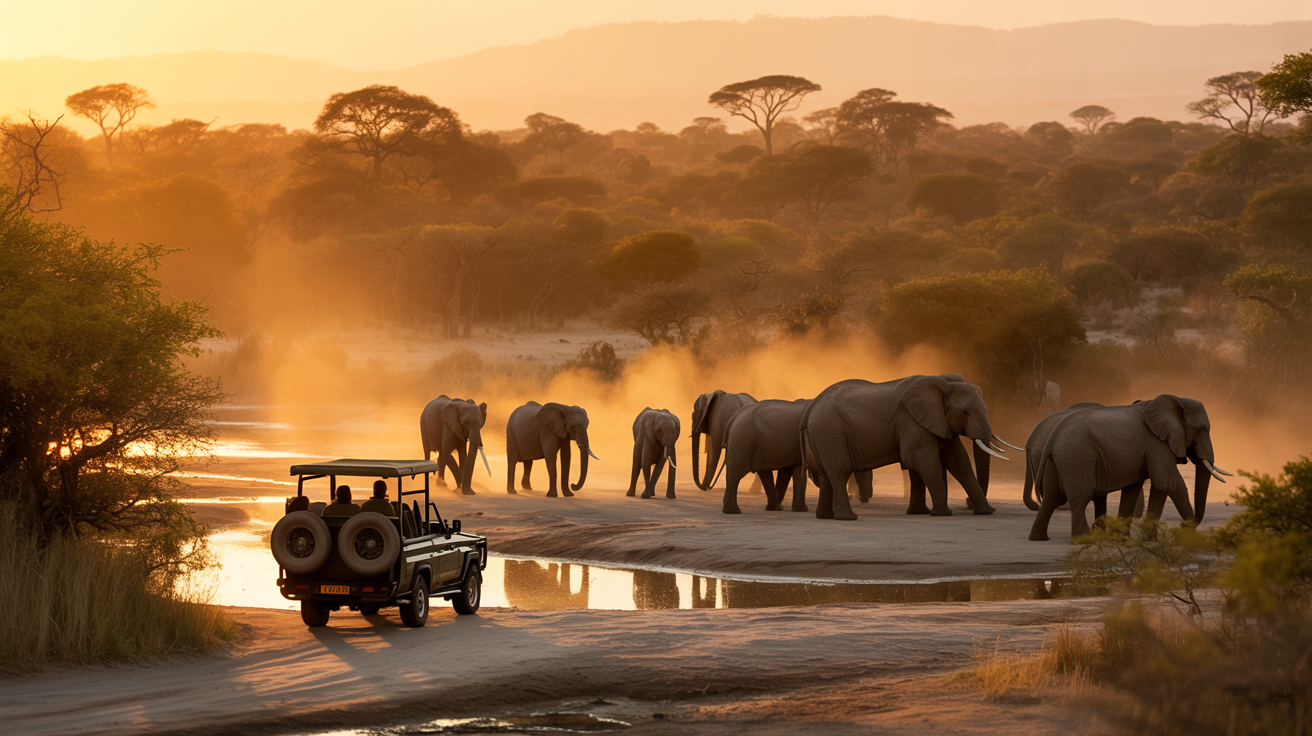
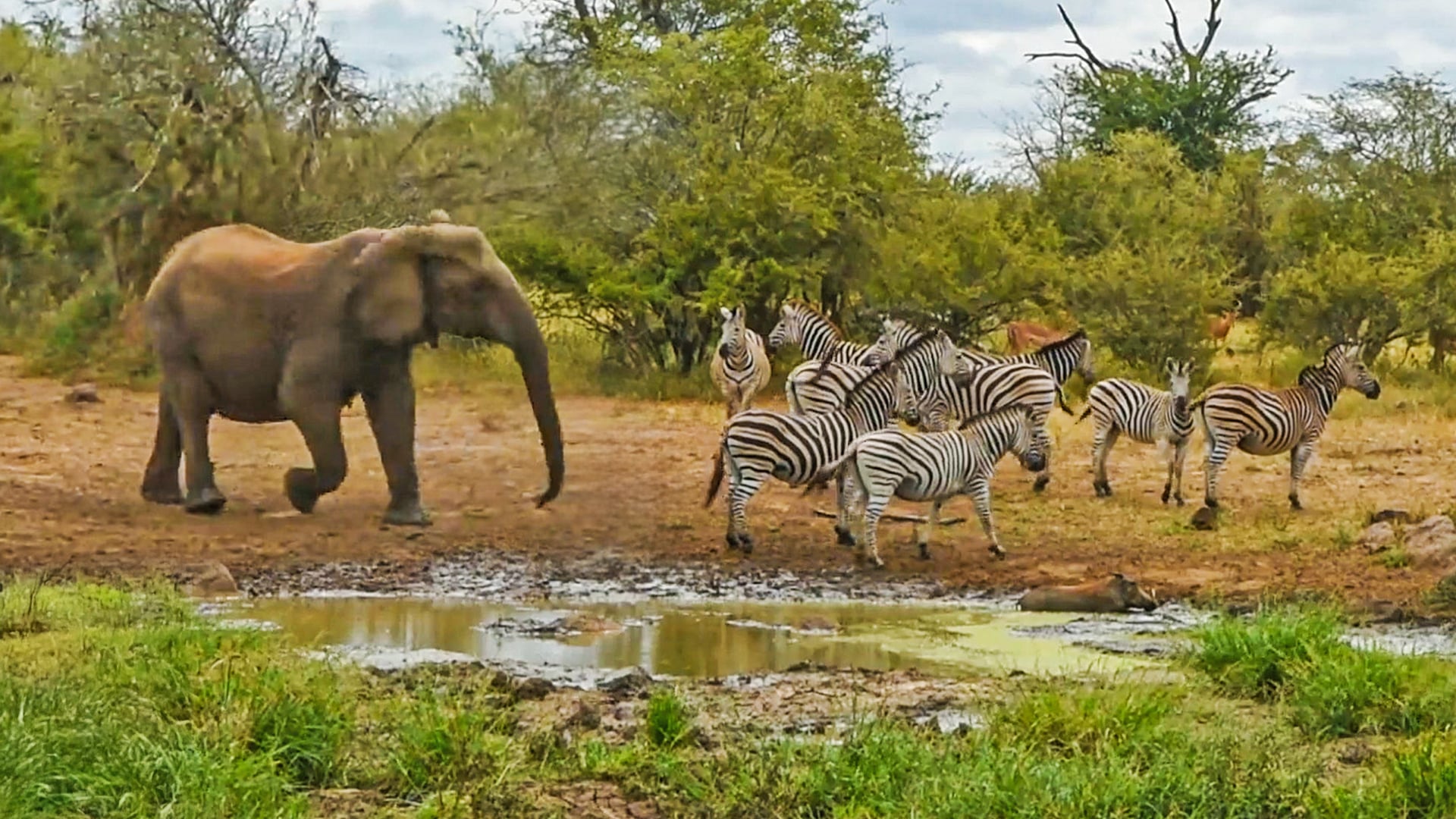
 Elephant and zebras gathering at a waterhole during the dry season in Kruger — when vegetation thins and wildlife concentrates around water
"When is the best time to visit Kruger?" It is the question I get asked more than any other — by email, on WhatsApp, in person at the airport. And honestly, it is the question that gets the most misleading answers online.
Most articles simply say "May to September" and leave it at that. That is not wrong, but it is not the whole truth either. Every month in Kruger has something extraordinary to offer, and the "best" month depends entirely on what you want from your safari — the best game viewing, the cheapest rates, the fewest crowds, the most dramatic landscapes, or the best birding.
As a Johannesburg-based operator who runs Kruger trips year-round, I have experienced every month in the park multiple times. This is the honest, detailed breakdown that the generic travel sites do not give you.
The Quick Summary
| Month | Game Viewing | Weather | Crowds | Value | Our Rating |
|---|---|---|---|---|---|
| January | ★★☆ | Hot, rainy | Low | ★★★★ | Green season beauty |
| February | ★★☆ | Hot, rainy | Low | ★★★★★ | Best value month |
| March | ★★★ | Warm, rain easing | Low | ★★★★ | Transition month |
| April | ★★★ | Cooling, pleasant | Medium | ★★★★ | Sweet spot begins |
| May | ★★★★ | Cool, dry | Medium | ★★★ | Dry season starts |
| June | ★★★★★ | Cold mornings, warm days | Medium-High | ★★★ | Excellent game |
| July | ★★★★★ | Cold mornings, warm days | High | ★★ | Peak season |
| August | ★★★★★ | Dry, warming up | High | ★★ | Peak season |
| September | ★★★★★ | Hot, very dry | High | ★★ | Best game viewing |
| October | ★★★★ | Hot, first rains | Medium | ★★★ | Dramatic transition |
| November | ★★★ | Hot, rainy | Low-Medium | ★★★★ | Baby season begins |
| December | ★★☆ | Hot, rainy | High (holidays) | ★★ | Festive season |
The Dry Season: May to September
This is the classic safari season, and for good reason. As the rains stop and winter sets in, the bush transforms. Grass dries and drops, trees lose their leaves, and the thick green curtain that hid animals during summer is pulled back. Suddenly you can see deep into the bush from the road. Animals concentrate around rivers and permanent waterholes — the only remaining water sources — creating spectacular congregation points.
This is when Kruger's game viewing is at its most reliable and most dramatic.
May — The Quiet Start of Dry Season
Weather: Days are pleasantly warm (22–26°C), mornings and evenings cool (8–14°C). Rain is rare. The bush is transitioning from green to gold.
Wildlife: Game viewing improves noticeably as vegetation thins. Waterhole activity picks up. Impala rut begins — the males are fighting and calling, which attracts predators. Lion and leopard activity increases.
Crowds: Moderate. School is in session, so weekdays are quiet. A sweet spot.
Our take: May is my personal favourite month for Kruger. The bush is beautiful, the temperatures are perfect, the game viewing is excellent, and it is not yet peak season busy. If I could only visit Kruger one month a year, it would be May.
June — Winter Magic
Weather: Cold mornings (3–8°C — bring warm layers!), gorgeous sunny days (20–25°C). Bone dry. Crystal-clear skies.
Wildlife: Superb. The bush is now dry enough for animals to depend heavily on waterholes. Elephant herds of 30–50 at a single waterhole are common. Predator activity is high — the thinned vegetation makes hunting easier, and you can spot animals at much greater distances.
Crowds: Medium to high, especially during school holidays (late June).
Malaria: Very low. This is the safest period for malaria-conscious travellers.
Our take: June delivers outstanding game viewing with manageable crowds outside school holidays. The cold mornings are invigorating — there is nothing like wrapping up in a blanket on an open vehicle at sunrise, breath misting in the cold air, as the bush wakes up.
July & August — Peak Safari Season
Weather: Similar to June. Cold mornings (can drop to 0°C in some areas), warm sunny days (22–27°C). Perfectly dry.
Wildlife: This is Kruger at its game-viewing peak. The landscape is dry and golden, waterholes are the centre of all activity, and Big Five sightings are at their most reliable. Buffalo herds move in large formations across the open grasslands. Lions are active and visible. Elephant herds are enormous.
Crowds: High. July school holidays bring South African families. August sees peak international visitor numbers. Book accommodation months in advance — popular camps like Lower Sabie and Satara sell out 6+ months ahead.
Our take: If your primary goal is the best possible Big Five sighting rate, July and August deliver. But be prepared for busy roads at popular sightings and fully booked camps. We recommend mid-week visits and exploring the quieter central-north sections.
September — The Hottest, Driest, and Most Dramatic
Weather: Heating up fast (28–35°C during the day). The bush is at its driest. Late September can be genuinely hot.
Wildlife: Many experienced safari-goers consider September the single best game-viewing month. The bush is stripped bare — you can see for hundreds of metres. Animals are desperate for water and cluster at every remaining waterhole. Predator-prey interactions peak. The first rains can arrive in late September, triggering dramatic weather and animal behaviour.
Crowds: Still high, though easing slightly as the heat increases.
Our take: September is electric. The tension in the dry bush is palpable — every waterhole feels like a theatre where anything could happen. But it is hot, and the landscape is harsh. If you can handle the heat, September rewards you spectacularly.
The Green Season: October to April
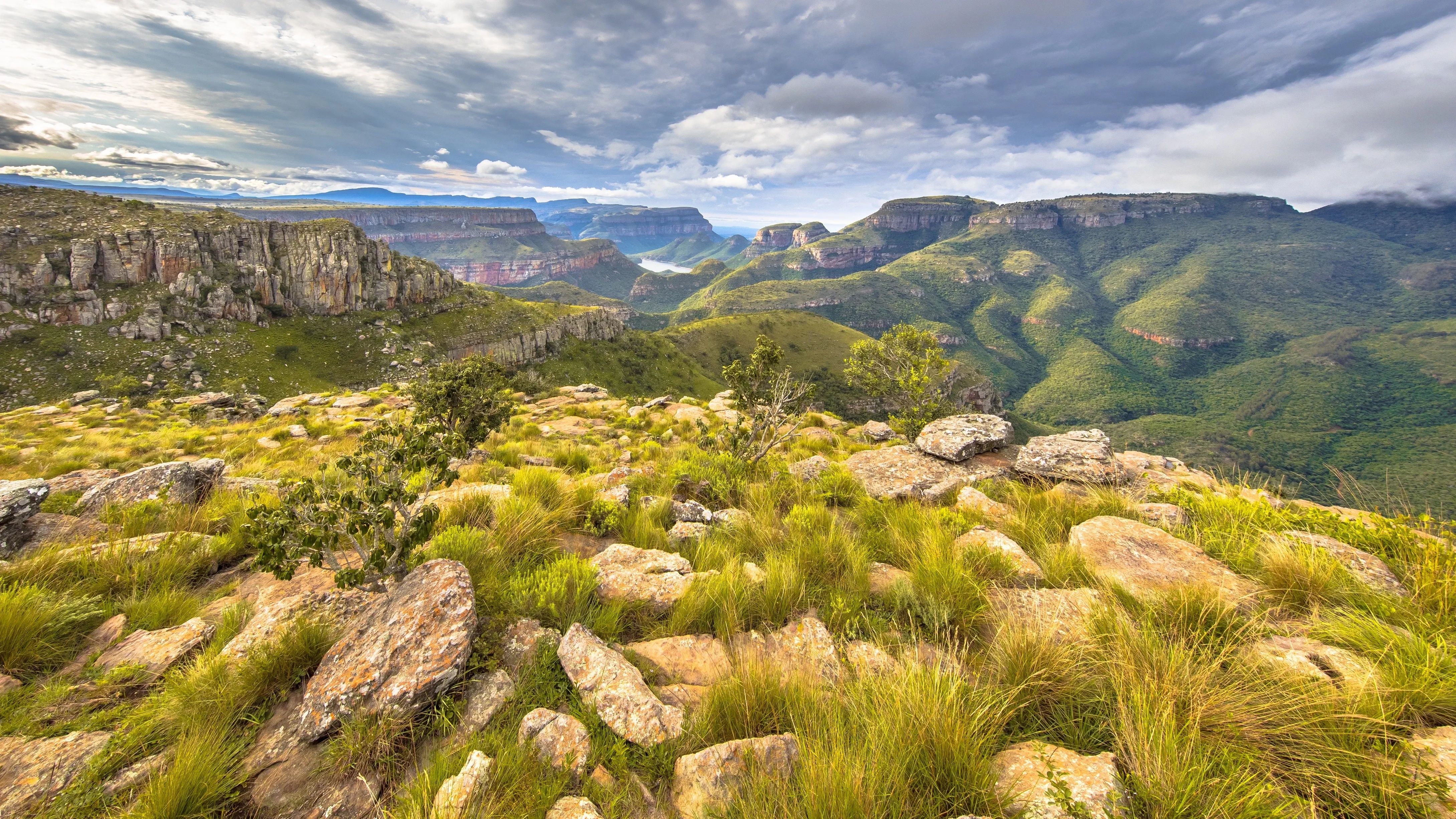 The lush green landscape of the Mpumalanga lowveld during the wet season — dramatic skies, verdant bush, and a completely different Kruger experience
The green season is Kruger's best-kept secret. Most international visitors avoid it, which means lower prices, fewer crowds, and a stunningly beautiful landscape that photographs like a dream. The downside: thicker vegetation makes spotting game harder, afternoon thunderstorms are daily, and malaria risk is higher.
But let me tell you something: some of my most extraordinary Kruger moments have happened in the green season.
October — The Great Transition
Weather: Hot (30–38°C). The first proper rains usually arrive mid to late October. The bush is still dry at the start, then explodes into green almost overnight.
Wildlife: The transition is dramatic. Animals that have spent months at waterholes suddenly disperse as rain fills pans and seasonal streams. Migrant birds arrive in huge numbers. It is one of the most dynamic months ecologically.
Crowds: Dropping as the heat and approaching rains deter some visitors.
Our take: October is a gamble that often pays off brilliantly. If the rains are late, you get September-level game viewing with fewer people. If the rains arrive, you get the spectacular first green flush and newborn animals.
November & December — Baby Season and Festive Madness
Weather: Hot and humid (28–36°C). Afternoon thunderstorms almost daily — spectacular to watch from a rest camp veranda. Mornings are often clear and beautiful.
Wildlife: Baby season begins. Impala drop their lambs (often hundreds in a single area over a few days), wildebeest calves appear, and warthog piglets trot behind their mothers. Predators are drawn to the easy meals. Birding is spectacular — over 200 migrant species arrive from Europe and central Africa.
Crowds: November is quiet and excellent value. December is chaos — South African school holidays and the festive season fill every camp. Book December accommodation a year in advance.
Our take: November is a hidden gem. The bush is lush and green, the babies are everywhere, the birding is world-class, and you often have roads to yourself. December delivers the same wildlife but with holiday crowds and premium pricing.
January & February — The Deep Green Season
Weather: Hot and wet. Daytime temperatures 30–38°C. Humidity is high. Thunderstorms are almost daily, usually in the afternoon. Mornings are typically clear.
Wildlife: The bush is at its thickest and greenest. Game viewing is harder — animals are dispersed across the landscape with abundant water everywhere. But if you are patient, the rewards are extraordinary: lush vegetation makes for stunning photography, babies are everywhere, and birdlife peaks with resident and migrant species numbering over 500.
Crowds: The lowest of the year. This is when you get Kruger almost to yourself.
Malaria: Highest risk period. Prophylaxis is strongly recommended.
Our take: January and February are for the budget-conscious, the bird lovers, and the repeat visitors who want a completely different Kruger experience. The landscape is breathtaking, the camps are empty, and the rates are at their lowest. We run green season specials during this period — ask us about them.
March & April — The Shoulder Season Sweet Spot
Weather: Cooling down. Rain eases through March and usually stops by mid-April. Days are warm (25–30°C), mornings pleasant.
Wildlife: The bush starts to thin out again. Animals begin concentrating as temporary water sources dry up. The transition back to dry season begins, and game viewing improves week by week. March and April offer a fascinating middle ground between green season beauty and dry season visibility.
Crowds: Low to moderate. Excellent value with good availability.
Our take: April is a superb time to visit. The worst of the heat and rain is over, the bush is transitioning beautifully, and you get excellent game viewing without the winter crowds or peak-season prices. A real insider choice.
Special Considerations
Malaria Risk by Season
| Period | Malaria Risk | Recommendation |
|---|---|---|
| May – September | Very low to minimal | Many skip prophylaxis (consult your doctor) |
| October – November | Moderate | Prophylaxis recommended |
| December – April | Higher | Prophylaxis strongly recommended |
Malarone is the most common prophylaxis (around R800 for a course). The southern camps (Berg-en-Dal, Pretoriuskop) have lower risk than the northern sections.
If malaria is a dealbreaker, consider Pilanesberg Game Reserve — it is completely malaria-free, just 2 hours from Johannesburg, and has all of the Big Five. Read our Kruger vs Pilanesberg comparison.
School Holidays to Watch
| Holiday | Dates (approx.) | Impact |
|---|---|---|
| Easter | Late March/April | Moderate-high crowds |
| June/July | Late June – mid-July | High crowds, full camps |
| September/October | Late Sept – early Oct | Moderate |
| December/January | Mid-Dec – mid-Jan | Maximum crowds, book 12 months ahead |
2026 SANParks Conservation Levies
| Category | Daily Fee |
|---|---|
| South African adults | R110 |
| International adults | R440 |
| SA children (2–11) | R70 |
| International children | R220 |
| Wild Card holders | Free |
Pro tip: If you plan to visit Kruger more than twice a year, a SANParks Wild Card (from R1,095 per person annually) pays for itself and includes free entry to all SANParks reserves.
My Personal Recommendation
If I had to pick one month for a first-time Kruger visitor: June. Cool, dry, excellent game viewing, manageable crowds outside school holidays, lowest malaria risk, and the bush is hauntingly beautiful in winter.
If I had to pick the best value month: February. Lush, green, nearly empty, cheapest rates, and some of the most dramatic weather and photographic light of the year.
If I had to pick the most dramatic month: September. Harsh, dry, hot, and absolutely electric with wildlife activity.
But honestly? There is no bad time to visit Kruger. Every month has its magic. It just depends which kind of magic speaks to you.
Book Your Kruger Safari with Bakubung
We run guided Kruger safaris year-round from Johannesburg, tailored to the season. Whether you want a dry-season Big Five spectacular or a green-season photography trip, we will build the perfect itinerary for you.
Further reading:
- Kruger National Park Safari Guide 2026
- Kruger vs Pilanesberg: The Honest Comparison
- Johannesburg to Kruger: Complete Travel Guide
- Self-Drive vs Guided Safari
- Sabi Sands vs Kruger: Is the Luxury Upgrade Worth It?
Ready to book? Request a personalised quote or chat with us on WhatsApp — tell us your dates and we will tell you exactly what to expect. 🦁