The first time I guided a family from São Paulo through Kruger, the father pulled me aside on the last evening and said something I have never forgotten: "I have been to Kenya. I have been to Tanzania. This is different. This country wants you to be here."
He was talking about something that is hard to put into words but easy to feel. South Africa does not just have extraordinary wildlife — it has the roads, the lodges, the infrastructure, the food, the wine, the people, the sheer ease of travelling that makes the whole experience feel less like an expedition and more like coming home to a place you did not know you belonged. You land at a modern international airport, you drive on good tar to the gate of a world-class reserve, and within an hour of leaving your lodge you are watching a leopard in a marula tree.
At Bakubung Safaris & Tours, South Africa is our home ground. We have guided thousands of visitors through its reserves, and we believe there is no better country on earth for a first safari — and no country that rewards a return visit more generously. This is our complete, honest guide to planning a South Africa safari tour for 2026.
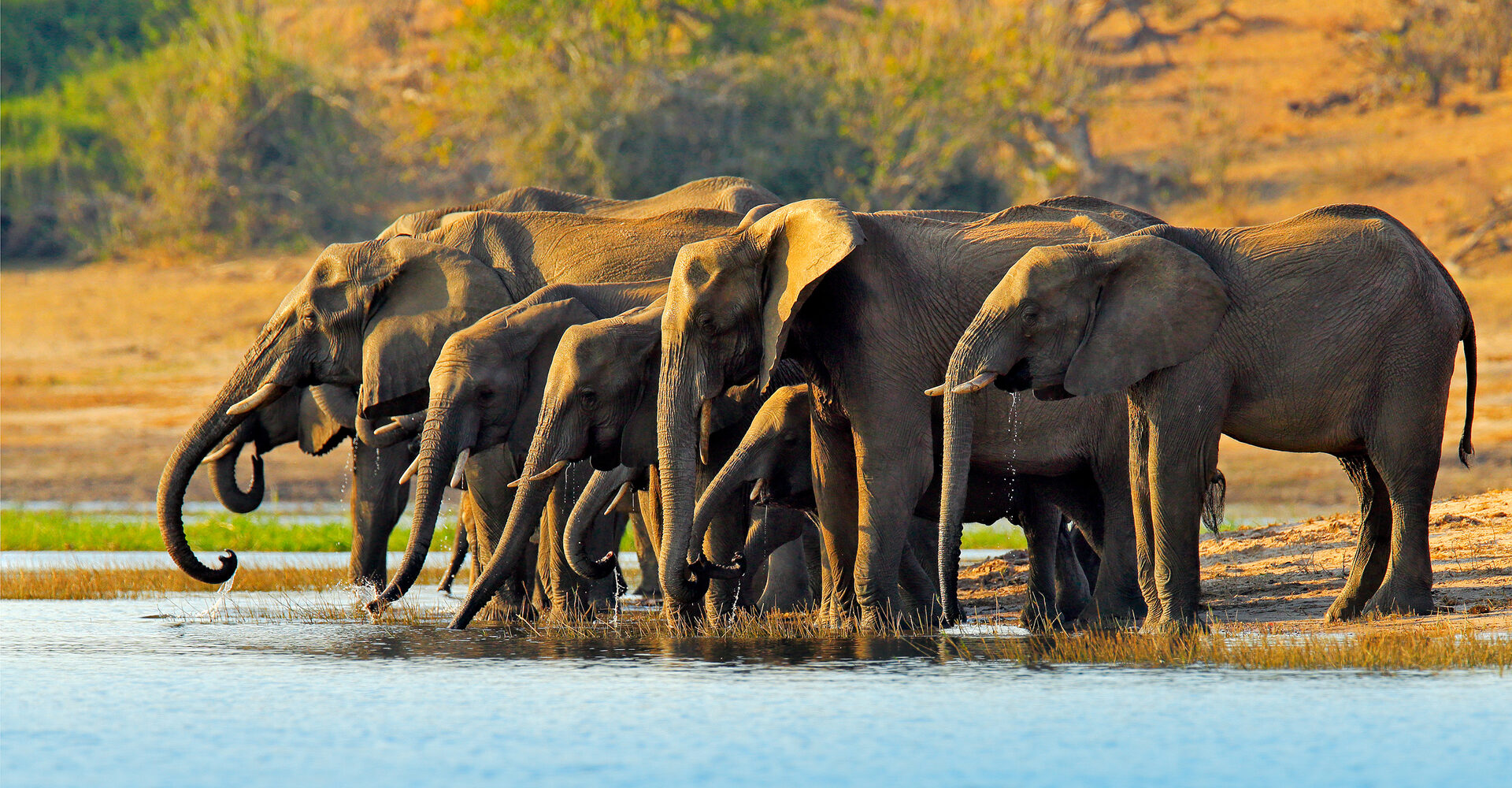 A herd of elephants drinking together at a waterhole in the golden afternoon light of the South African bushveld
Why South Africa for a Safari?
The Big Five in abundance. South Africa is one of the few countries where all five — lion, leopard, elephant, rhino and buffalo — roam across multiple accessible reserves. Kruger National Park alone covers nearly two million hectares and supports one of the densest Big Five populations on the continent.
World-class infrastructure. Direct international flights into Johannesburg and Cape Town. Excellent roads. Reliable mobile coverage even in the bush. A hospitality industry that ranges from affordable rest camps to some of the most luxurious safari lodges on earth. You do not need to rough it to have an authentic safari experience here.
Incredible value for money. The South African Rand makes this country one of the most affordable Big Five destinations in Africa. A quality guided safari that would cost thousands of dollars in East Africa is available here at a fraction of the price — without any drop in the quality of the wildlife or the guiding.
Malaria-free options. For families with young children or travellers who prefer to avoid antimalarial medication, South Africa offers superb malaria-free reserves in the Eastern Cape, KwaZulu-Natal and the Western Cape. You can see the Big Five without a single tablet.
It is so much more than safari. Combine your bush experience with Cape Town, the Winelands, the Garden Route, Johannesburg's vibrant culture, the Drakensberg mountains or the Indian Ocean coastline. No other safari country offers this range of experiences in a single trip.
The Best Safari Reserves in South Africa
Kruger National Park
The crown jewel. Nearly two million hectares of protected wilderness, home to all of the Big Five plus over 500 bird species, wild dogs, cheetahs, hippos, crocodiles and an astonishing diversity of antelope. The southern section (Lower Kruger) offers the highest concentration of game; the north (around Pafuri) is a birding paradise. Both are spectacular. Read our full Kruger National Park guide.
Pilanesberg National Park
Only two hours from Johannesburg, set in the crater of an ancient volcano. Big Five, malaria-free, and the perfect day trip or weekend safari. If you are short on time or want to add a safari to a Johannesburg visit, Pilanesberg is the answer. See our Pilanesberg guide.
Madikwe Game Reserve
A hidden gem on the Botswana border — malaria-free, Big Five, and far less crowded than Kruger. Madikwe is known for its excellent wild dog population and its intimate, exclusive feel. A favourite for honeymooners and those seeking a quieter bush experience.
Sabi Sands & Private Reserves Bordering Kruger
The private reserves adjacent to Kruger — Sabi Sands, Timbavati, Klaserie, Manyeleti — share unfenced borders with the national park, meaning animals move freely between them. The difference: private reserves offer exclusive traversing rights, smaller vehicle numbers, off-road driving and walking safaris. Sabi Sands is legendary for its leopard sightings — arguably the best on the continent.
Hluhluwe-iMfolozi Park (KwaZulu-Natal)
Africa's oldest proclaimed nature reserve and the birthplace of rhino conservation. Big Five in a beautiful, hilly landscape, with far fewer tourists than Kruger. An underrated treasure.
The Eastern Cape Reserves (Shamwazi, Addo, Kariega)
Malaria-free, family-friendly and close to the Garden Route. Addo Elephant National Park is famous for its dense elephant herds. The private reserves like Shamwazi and Kariega offer luxury Big Five safaris without the need for antimalarials.
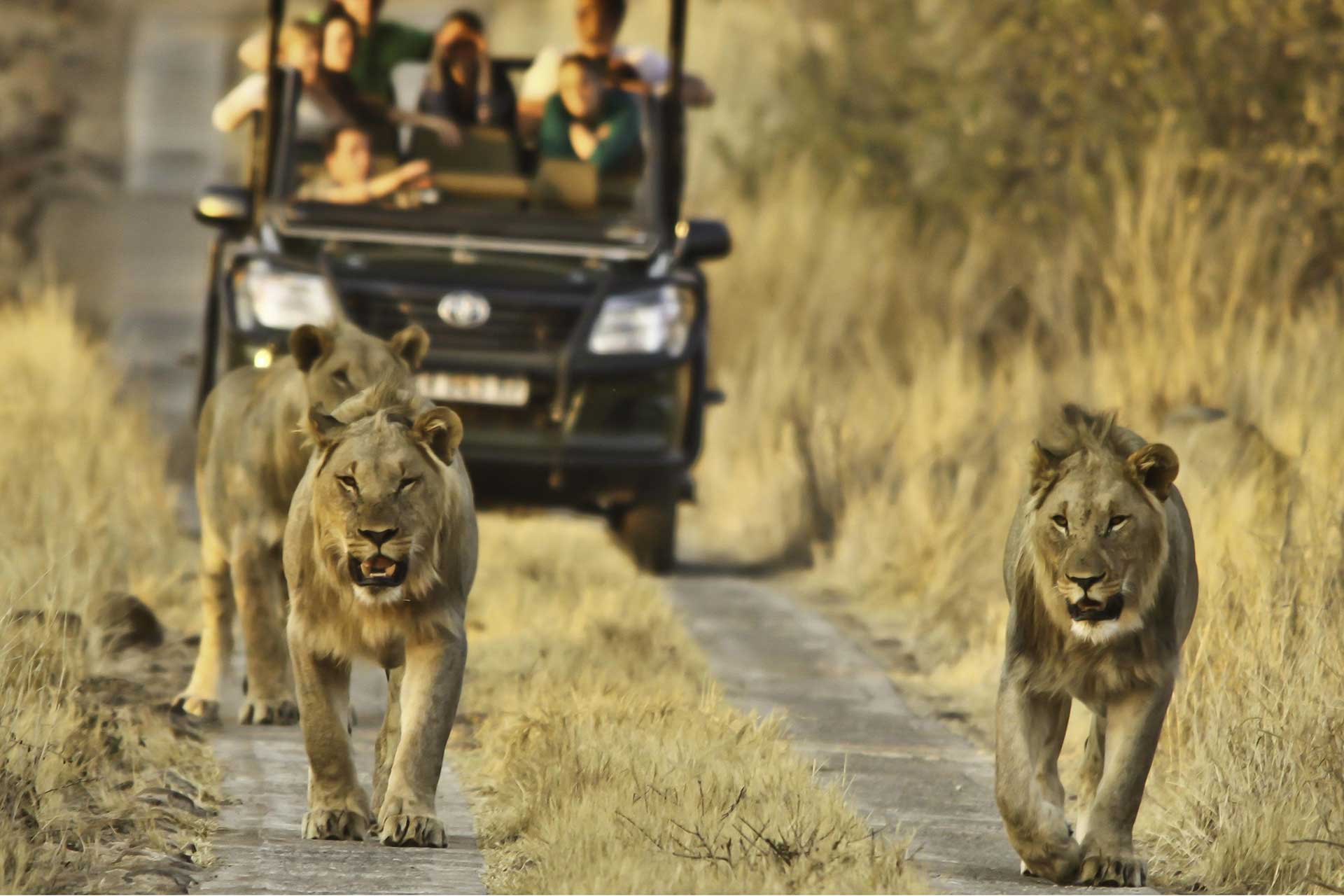
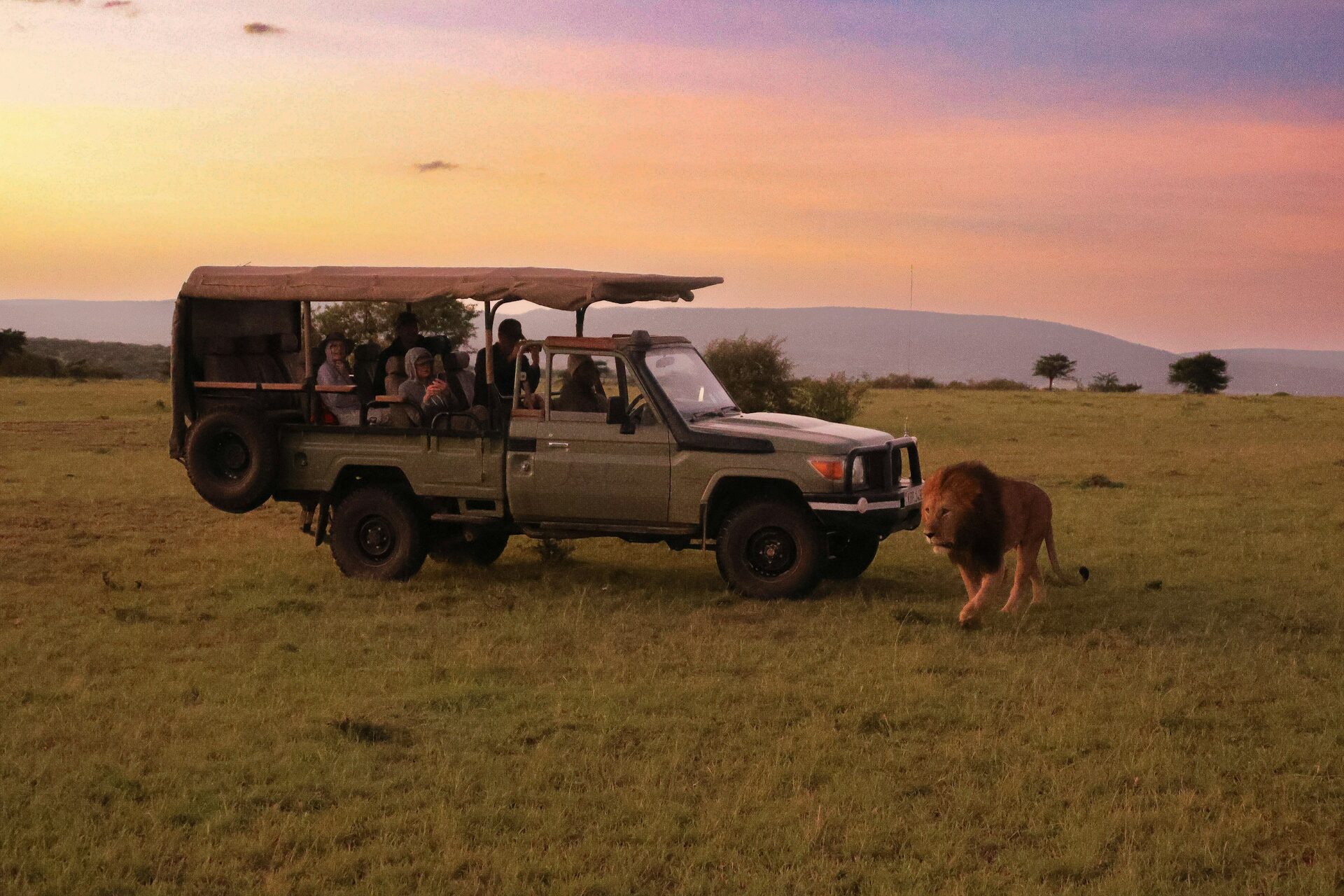 A male lion walks confidently past an open safari game-drive vehicle full of amazed guests at sunset in the South African savanna
When to Visit: The Best Time for a South Africa Safari
South Africa is a year-round safari destination, but each season has its character:
May to September (dry season / winter): The classic safari season. Vegetation thins out, animals congregate at waterholes, and game viewing is at its easiest. Mornings are cold (bring layers!) but days are sunny and pleasant. This is peak season and the most popular time to visit.
October to November (shoulder season): The bush begins to green up, migratory birds arrive, and many animals give birth. Fewer crowds, good value, and a beautiful time to visit. The heat builds but the rains have not yet started in earnest.
December to April (green season / summer): Lush, dramatic landscapes. Spectacular thunderstorms. Birding is at its best with the summer migrants present. Game is harder to spot in thick vegetation, but the bush is stunningly beautiful and prices are lower. For a detailed month-by-month breakdown, see our best time to visit Kruger guide.
What a South Africa Safari Costs (Honest 2026 ZAR Pricing)
South Africa offers genuine quality at every budget. Here is straight-talking guidance in Rand:
- Pilanesberg day safari from Johannesburg — from around R1,499 per person, including transport, park fees and a guided game drive. The most affordable way to see the Big Five.
- 3-day guided Kruger safari — from around R8,999 per person sharing, including accommodation, meals, park fees and an experienced guide. Our most popular package.
- 5-day immersive Kruger safari — from around R15,999 per person sharing, for those who want to go deeper: more drives, night safaris, walking safaris and time to truly absorb the bush.
- Luxury private reserve experience (Sabi Sands / Timbavati) — from around R25,000 to R45,000 per person for 3 nights, with all-inclusive meals, premium guiding, off-road drives and world-class lodges.
- Malaria-free Eastern Cape / Garden Route safari — from around R12,999 per person for 3 nights, ideal for families.
Group travel, off-peak season and longer stays all bring the per-person cost down significantly. For our full breakdown, see our budget safari guide.
What to Expect on a South Africa Safari
Early mornings. The best game viewing happens at dawn, so expect a wake-up call around 5:00–5:30am. It is worth every lost minute of sleep — the bush at first light is magical.
Two game drives per day. A typical safari day includes a morning drive (3–4 hours) and an afternoon/sunset drive (3 hours). Between drives, you rest, swim, read, or simply sit and listen to the bush.
Incredible food. South African safari lodges and camps take food seriously. Expect hearty breakfasts after morning drives, long leisurely lunches, and multi-course dinners under the stars. Even the budget camps serve generous, delicious meals.
Expert guiding. South Africa's field guide training system (FGASA) is the gold standard in Africa. Your guide is not just a driver — they are a trained naturalist who can read tracks, identify birdsong, explain ecosystems and keep you safe. The quality of guiding here is genuinely world-class.
Safety and comfort. South Africa's reserves are well-managed, fenced where necessary, and staffed by experienced rangers. You are always safe in the vehicle, and your guide knows exactly what they are doing. This is a comfortable, well-organised experience — not a survival course.
Planning Tips From Your Johannesburg-Based Guide
Fly into Johannesburg. It is the gateway to Kruger, Pilanesberg, Madikwe and most of South Africa's top reserves. We offer airport pickups and can have you in the bush the same day you land.
Pack in layers. Winter mornings on an open vehicle are genuinely cold (5–10°C). Bring a warm fleece, a beanie and gloves. By midday you will be in a T-shirt. Neutral colours (khaki, olive, brown) are best.
Bring binoculars. Even a basic pair transforms the experience. You will spot birds, distant animals and details you would otherwise miss.
Do not skip the night drive. Many reserves offer guided night drives with a spotlight. This is when the nocturnal world comes alive — leopards on the hunt, genets, civets, bush babies, aardvarks and owls. Some of our guests' most unforgettable moments happen after dark.
Consider combining regions. A Johannesburg arrival, a Pilanesberg day trip, then a 3-day Kruger safari makes a spectacular 5–6 day itinerary. Add Cape Town or the coast for the ultimate South African trip. See our safari and beach combo guide.
Frequently Asked Questions
Is South Africa safe for safari tourists? Yes. The reserves and lodges are safe, well-managed environments. As with any country, normal travel precautions apply in cities, but the safari areas themselves are among the safest places you will visit.
Do I need a visa? Many nationalities (including EU, UK, US, Australia) can enter South Africa visa-free for up to 90 days. Check the latest requirements for your passport before booking. We advise on this with every enquiry.
Is malaria a concern? Kruger and the Lowveld are low-risk malaria areas — prophylaxis is recommended. Pilanesberg, Madikwe, the Eastern Cape and the Western Cape are malaria-free. We help you choose the right destination for your comfort level.
What is the best reserve for a first-time safari visitor? Kruger National Park, without hesitation. The combination of wildlife density, excellent infrastructure, range of accommodation and quality guiding makes it the ideal introduction. If time is short, Pilanesberg is perfect for a day trip from Johannesburg.
Can I self-drive in South Africa's reserves? Yes — Kruger, Pilanesberg, Addo and many SANParks reserves allow self-drive visitors. However, a guided safari is a different experience entirely: your guide knows where the animals are, can go off-road (in private reserves), and will teach you things a guidebook never could.
Ready to experience the South African bush? Whether it is your first safari or your tenth, this country has something that will take your breath away. Message us on WhatsApp or start your booking today, and let us show you why South Africa is the greatest safari destination on earth. The bush is calling — and it is closer than you think. 🦁🇿🇦