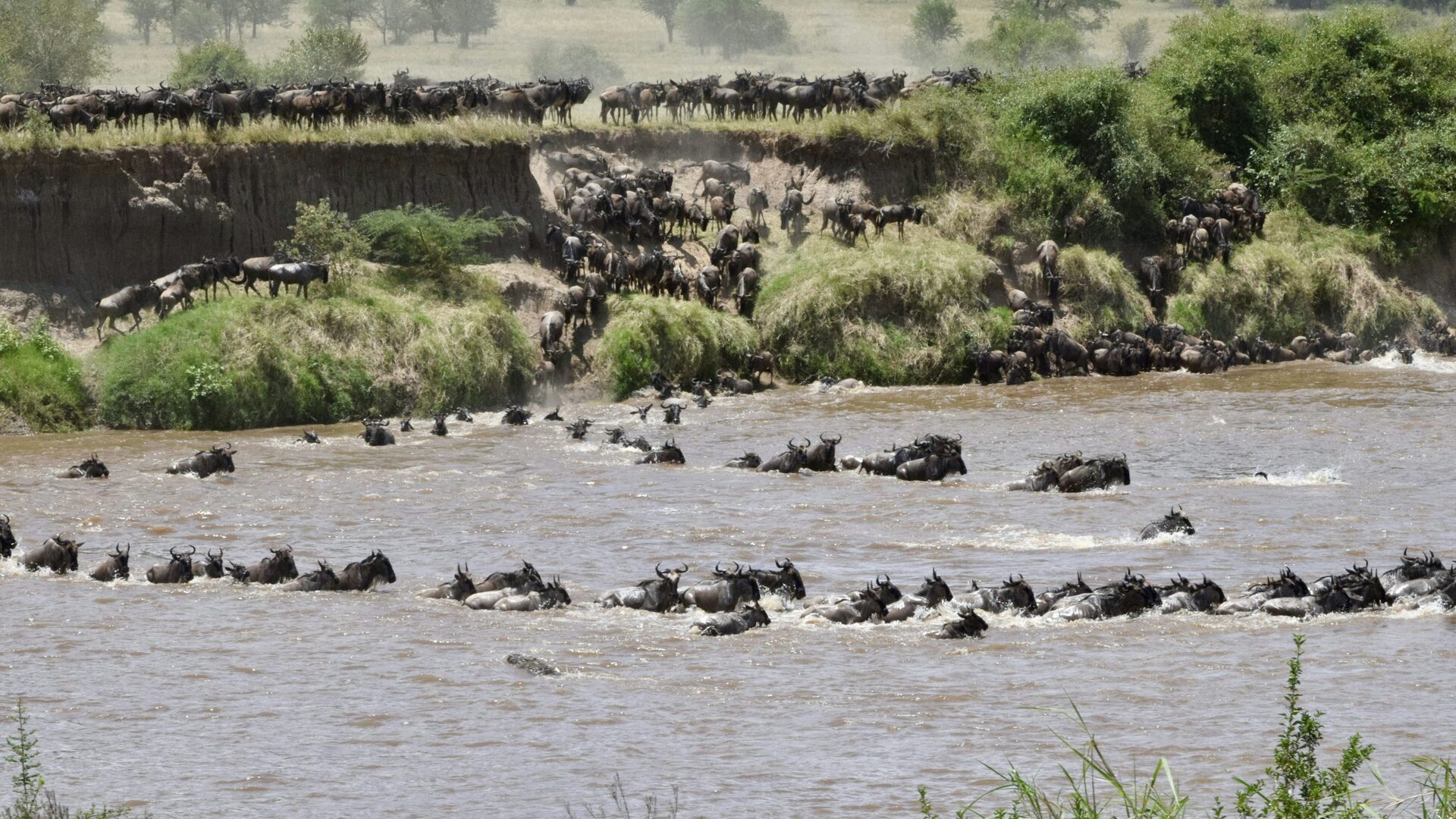
 Wildebeest crossing the Mara River during the Great Migration — the Serengeti's most spectacular wildlife event
Tanzania is where safari was born. The word itself — safari — is Swahili for "journey", and there is no country on Earth that delivers a more epic wildlife journey than this East African giant. Home to the Serengeti, the Ngorongoro Crater, Mount Kilimanjaro, and the spice island of Zanzibar, Tanzania packs more bucket-list experiences into one trip than almost anywhere else in Africa.
As a Johannesburg-based operator with deep East African partnerships, Bakubung Safaris has been sending travellers to Tanzania for years — and the feedback is always the same: "It changed my life." This guide covers everything you need to know to plan your 2026 Tanzania safari.
Why Choose Tanzania for Your Safari?
Tanzania protects roughly 30% of its total land area in national parks, game reserves, and conservation areas — one of the highest ratios on the continent. The result is an extraordinary concentration of wildlife across dramatically varied landscapes:
- The Great Migration — over 2 million wildebeest, zebra, and gazelle circle the Serengeti year-round in the planet's greatest wildlife spectacle
- Ngorongoro Crater — a collapsed volcanic caldera teeming with Big Five wildlife in an almost surreal natural amphitheatre
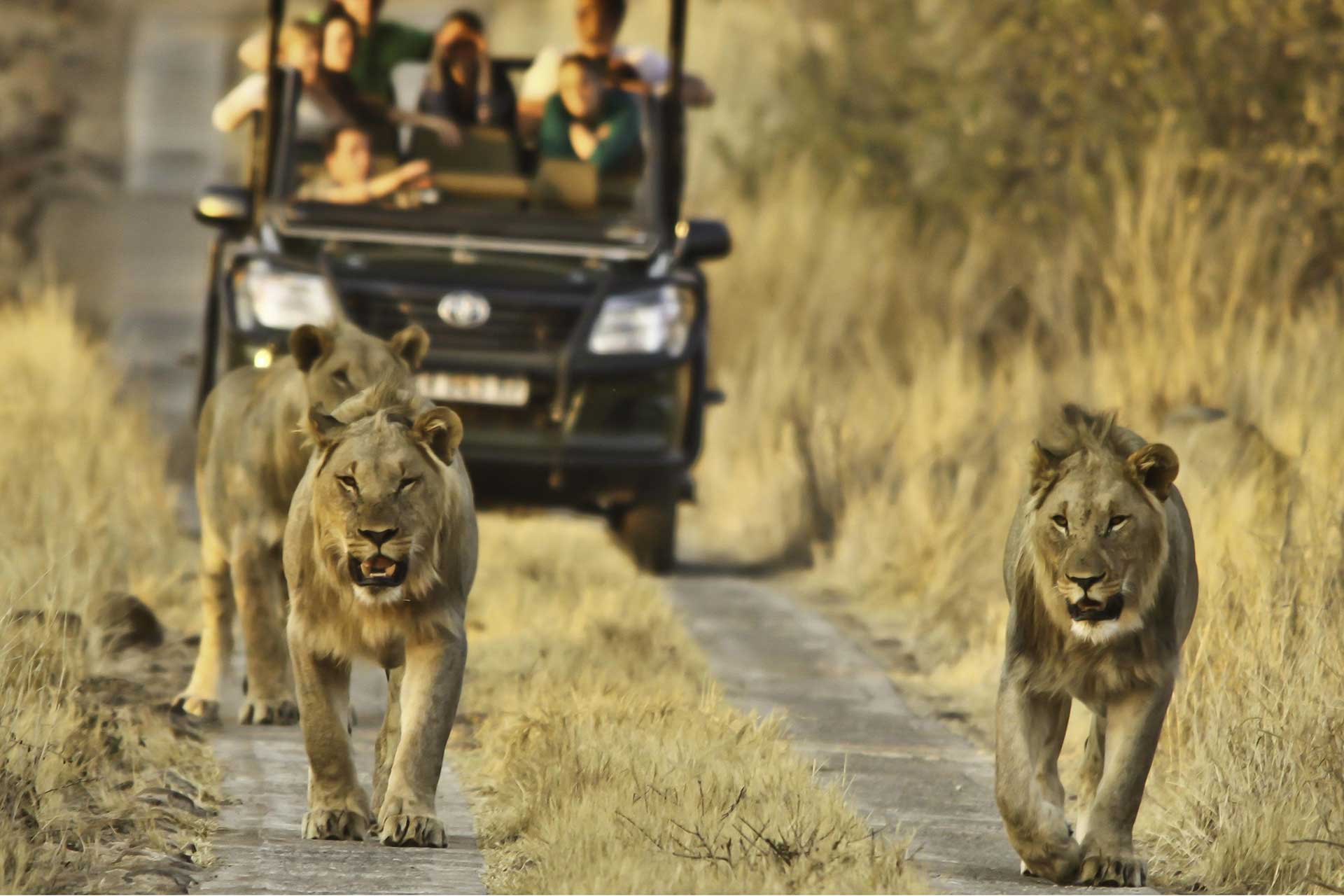
- Unmatched predator density — the Serengeti hosts Africa's highest concentration of lions (approximately 3,000) and the world's best cheetah sightings
- Kilimanjaro — Africa's tallest peak (5,895m) rises from the savannah, offering the continent's most iconic photo backdrop
- Zanzibar — combine bush and beach with a short flight to white-sand beaches, coral reefs, and Stone Town's UNESCO heritage
- Authentic cultural encounters — visit Maasai bomas and learn about one of Africa's most iconic pastoral communities
Tanzania's Top Safari Destinations
1. Serengeti National Park — The Endless Plains
The Serengeti is arguably the most famous wildlife reserve on Earth — a 14,763 km² sea of golden grassland that stretches to the horizon. It's the epicentre of the Great Migration, but even outside migration season, the resident wildlife is staggering: enormous lion prides, leopards draped in sausage trees, cheetah hunting on the open plains, and massive hippo pools.
Best for: The Great Migration (river crossings July–October), big cat photography, classic safari landscapes, hot-air balloon flights at dawn.
Key wildlife: Lion, leopard, cheetah, elephant, buffalo, wildebeest (2 million+), zebra, giraffe, hippo, crocodile.
2. Ngorongoro Crater — The Garden of Eden
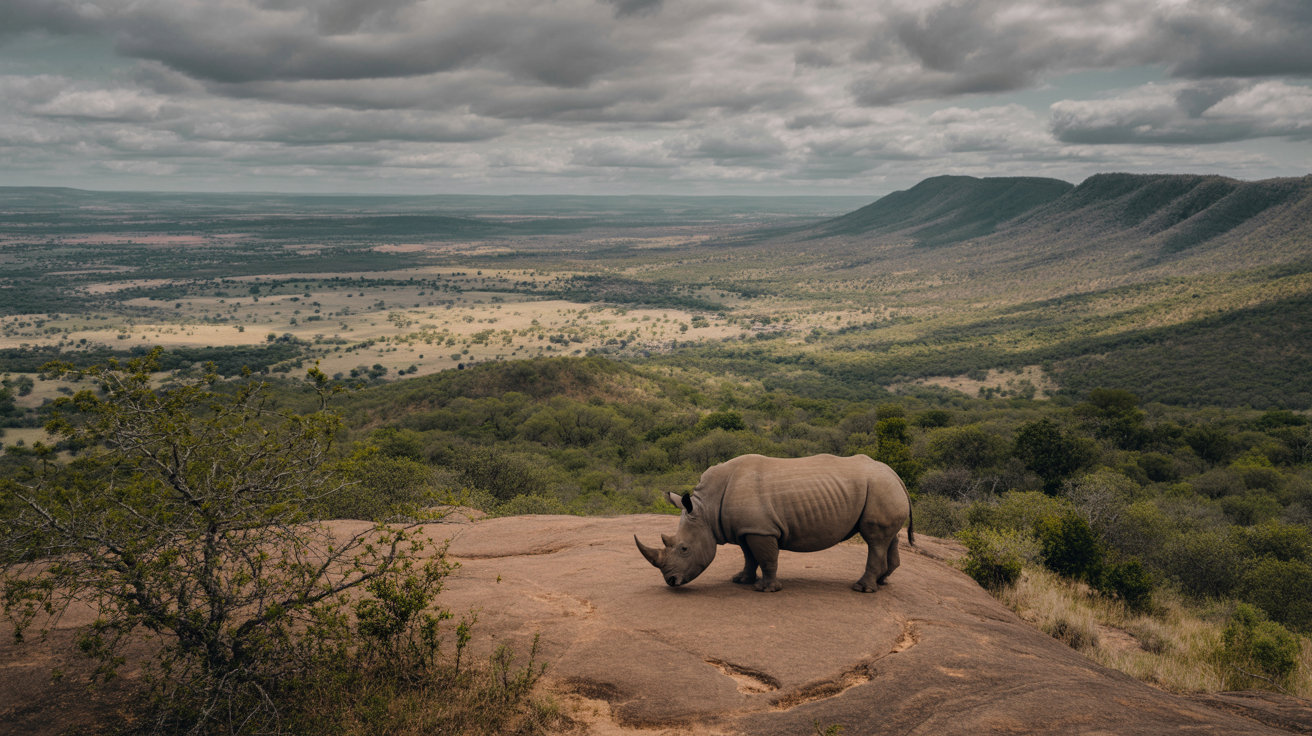
The Ngorongoro Crater is a collapsed volcanic caldera roughly 20 km across, with walls rising 600 metres above the floor. Inside this natural arena live approximately 25,000 large animals — including the endangered black rhino, making it one of the best places in East Africa for a Big Five sighting in a single game drive.
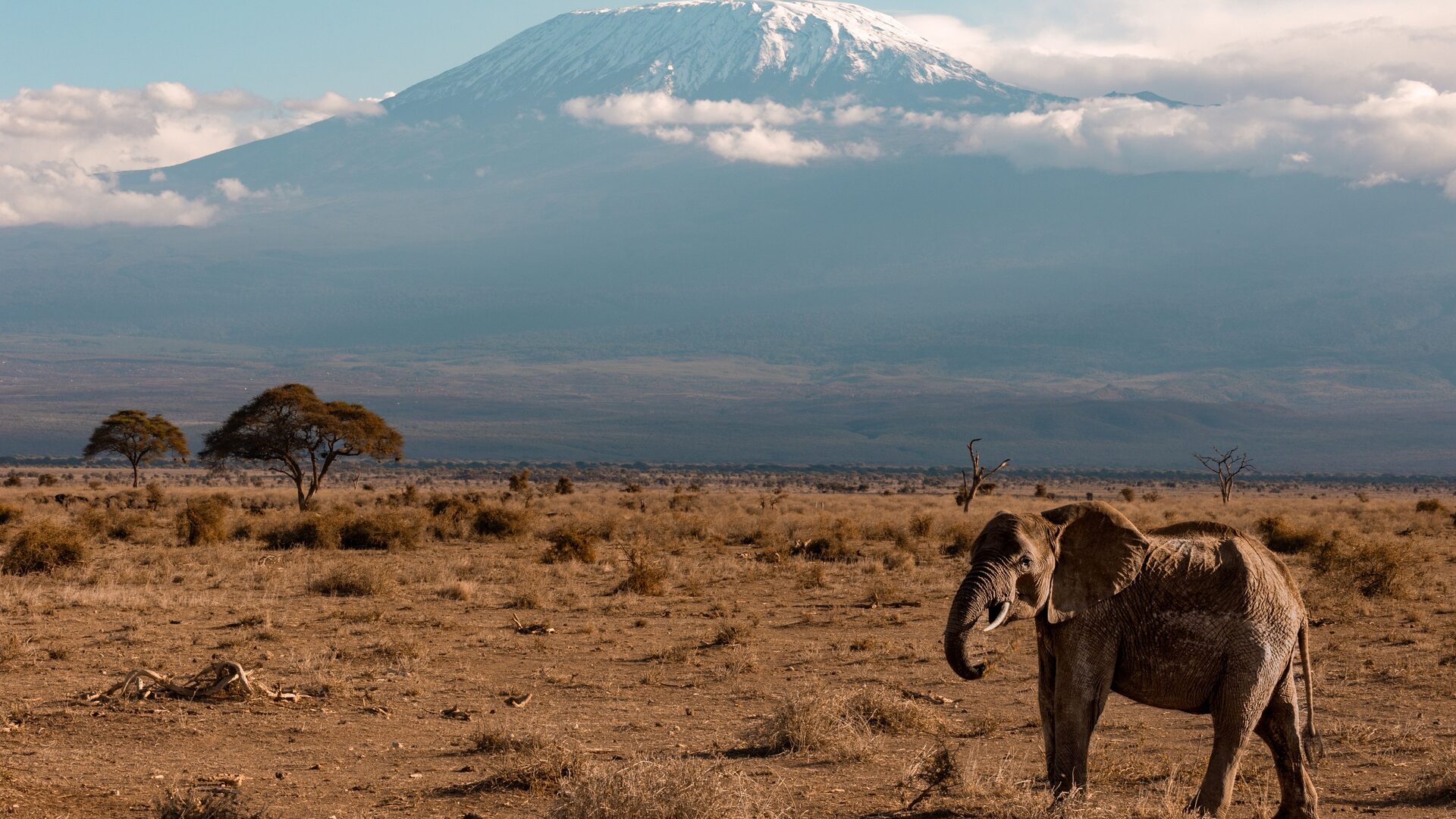 Elephant walking across the savannah with snow-capped Mount Kilimanjaro in the background — Tanzania's most iconic vista
Best for: Big Five in one day, black rhino sightings, flamingo-lined Lake Magadi, dramatic crater-rim sundowners, Maasai cultural visits.
Key wildlife: Black rhino, lion, elephant, buffalo, leopard, hippo, flamingo, hyena, jackal.
3. Tarangire National Park — The Elephant Kingdom
Tarangire is Tanzania's hidden gem — often overlooked in favour of the Serengeti, but offering some of the country's best elephant viewing. During the dry season (June–October), the Tarangire River is the only permanent water source in the area, drawing thousands of elephants, along with large herds of buffalo, wildebeest, and zebra.
Best for: Elephant herds (up to 300 strong), baobab-studded landscapes, tree-climbing pythons, quieter and more affordable than the Serengeti.
Key wildlife: Elephant (largest concentration in Tanzania), lion, leopard, buffalo, lesser kudu, oryx, python, 550+ bird species.
4. Lake Manyara National Park — The Tree-Climbing Lions
This compact park along the Great Rift Valley escarpment is famous for its tree-climbing lions (one of only two populations in Africa) and vast flocks of flamingos on the alkaline lake. It's a perfect half-day stop between the Ngorongoro Crater and Tarangire.
Best for: Tree-climbing lions, flamingo flocks, canoeing on the lake, night drives (one of few Tanzanian parks that offer them), birdwatching.
5. Selous Game Reserve (Nyerere National Park) — The Wild South
Rennamed Nyerere National Park in 2019, this is Africa's largest protected area at over 50,000 km² — larger than Switzerland. The northern sector offers walking safaris, boat safaris on the Rufiji River, and exceptional wild dog sightings in a remote, exclusive setting with very few other visitors.
Best for: Wild dog tracking, boat safaris, walking safaris, fly-camping, true off-the-beaten-path adventure.
6. Zanzibar — The Spice Island
No Tanzania trip is complete without a few days on Zanzibar. After the dusty bush, sink your toes into powder-white sand, snorkel pristine coral reefs, wander Stone Town's winding alleys, and feast on fresh seafood at the Forodhani night market.
Best for: Post-safari beach relaxation, snorkelling and diving, Stone Town UNESCO heritage, spice tours, romantic honeymoons.
When Is the Best Time to Visit Tanzania?
| Season | Months | Highlights | Considerations |
|---|---|---|---|
| Dry/Peak | June–October | Great Migration river crossings (Jul–Oct); best game viewing as vegetation thins; cooler, comfortable temperatures | Peak pricing; book 6–12 months ahead; Serengeti can be busy |
| Green/Short Rains | November–December | Calving season begins; lush green scenery; fewer tourists; excellent birdwatching | Afternoon showers; some roads muddy |
| Wet/Long Rains | March–May | Lowest prices; dramatic skies; Serengeti calving (Feb–Mar) wrapping up | Heavy rain; some camps close; challenging road conditions |
| Calving Season | January–March | 500,000+ wildebeest calves born in southern Serengeti; predator action at its peak | Green season pricing; can be wet |
Our recommendation: For the iconic Mara River crossings, visit July–October. For calving season drama and lower prices, January–March is extraordinary. For an all-round first visit, June–September is safest.
How Much Does a Tanzania Safari Cost?
Tanzania's park fees are among the highest in Africa (US$70–82 per person per day for the Serengeti alone), which keeps crowds manageable. Bakubung Safaris offers packages that include all fees, so there are no surprises:
| Experience | Duration | Price (pp) | Includes |
|---|---|---|---|
| Northern Circuit Highlights | 5 days / 4 nights | R34,999 | Tarangire + Ngorongoro + Lake Manyara, all meals, park fees, English-speaking guide |
| Serengeti Migration Safari | 7 days / 6 nights | R54,999 | Serengeti (3 nights) + Ngorongoro + Tarangire, migration tracking, all-inclusive |
| Ultimate Tanzania & Zanzibar | 10 days / 9 nights | R79,999 | Full northern circuit + 3 nights Zanzibar beach, internal flights, premium lodges |
| Luxury Tanzania Private Safari | 12 days / 11 nights | R129,999 | Private vehicle & guide, fly-in camps, Serengeti + Ngorongoro + Selous + Zanzibar |
All prices in South African Rand per person sharing. Includes flights from Johannesburg, accommodation, meals, park fees, and transfers.
What to Expect on a Tanzania Safari
Getting There
From Johannesburg, direct flights to Kilimanjaro International Airport (JRO) take approximately 4 hours. From Kilimanjaro, it's a scenic 3-hour drive to Arusha — the gateway to the northern safari circuit. Internal flights connect Arusha to the Serengeti (1 hour) and Zanzibar (1.5 hours).
Bakubung Safaris arranges all flights, transfers, and logistics — you just pack your bags and show up.
Types of Safari Activities
- Game drives — Open-roof 4×4 Land Cruisers with pop-up tops for 360° viewing and photography
- Hot-air balloon safaris — Drift over the Serengeti at dawn, watching the Migration from above (US$550–600 pp)
- Walking safaris — Guided bush walks in Selous/Nyerere and select Serengeti concessions
- Night drives — Available in Lake Manyara and some private concessions
- Boat safaris — Motorboat game viewing on the Rufiji River in Selous
- Cultural visits — Maasai boma tours, Hadzabe bushmen experiences, Iraqw homesteads
- Beach & water sports — Snorkelling, diving, kite surfing, and dhow sailing on Zanzibar
Visa & Entry Requirements
South African passport holders need a visa on arrival (US$50) or can apply for an e-visa in advance at eservices.immigration.go.tz. You'll need six months' passport validity and proof of yellow fever vaccination (required for entry).
Planning Tips for Your 2026 Tanzania Safari
- Book early for Migration season — Serengeti camps for July–October sell out 8–12 months ahead, especially the premium mobile camps that follow the herds
- Combine the northern circuit — Serengeti + Ngorongoro + Tarangire is the classic 7-day itinerary and offers incredible diversity
- Add Zanzibar — A 3-night beach extension is the perfect way to decompress after dusty game drives
- Yellow fever vaccination is mandatory — Get vaccinated at least 10 days before travel and carry your certificate
- Pack for temperature swings — The Ngorongoro Crater rim sits at 2,200m; mornings can drop to 5°C while Zanzibar is tropical
- Bring US dollars — Park fees and tips are in USD; bring clean, post-2006 bills (older notes are often rejected)
- Consider a combo — Pair Tanzania with a South Africa safari or Botswana extension for the ultimate multi-country adventure
Frequently Asked Questions
Is Tanzania safe for tourists? Yes. Tanzania is one of East Africa's most stable countries and heavily invested in tourism safety. Petty crime exists in cities (as anywhere), but safari areas and Zanzibar are very safe with professional guides.
How does Tanzania compare to South Africa for safari? South Africa offers outstanding value and self-drive options (Kruger, Pilanesberg). Tanzania offers the Great Migration and Ngorongoro — experiences that simply don't exist anywhere else. Many of our clients do both: South Africa first for an affordable introduction, then Tanzania for the bucket-list trip. See our complete African safari collection for comparisons.
What's the best Tanzania safari for first-timers? Our 7-day Serengeti Migration Safari (R54,999 pp) is the most popular choice — it covers the Serengeti, Ngorongoro, and Tarangire in one seamless trip with all logistics handled.
Can I climb Kilimanjaro and do a safari? Absolutely. Many travellers combine a 5–7 day Kilimanjaro trek with a 3–5 day northern circuit safari. We recommend doing the climb first (while you're fresh) and the safari second (as a reward). Add Zanzibar for the ultimate triple.
Do I need malaria prophylaxis? Yes. Tanzania is a malaria area, especially the lowland safari parks and Zanzibar. Consult your travel clinic at least 4 weeks before departure for the latest prophylaxis recommendations.
Ready to Experience Tanzania?
Tanzania is Africa's masterpiece — a place where two million animals still roam free across endless plains, where a snow-capped mountain rises impossibly from the savannah, and where the Indian Ocean laps at the doorstep of ancient Stone Town. It's a safari experience that lives in your soul long after you've come home.
Let Bakubung Safaris craft your perfect Tanzania itinerary — from Johannesburg flights and Serengeti camps to Zanzibar sunsets. Start planning your 2026 Tanzania safari today →
Explore more African safari destinations: South Africa | Botswana | Best African Safari Tours | Budget Safaris. Based in Johannesburg, Bakubung Safaris & Tours has been crafting unforgettable African adventures for over 8 years.