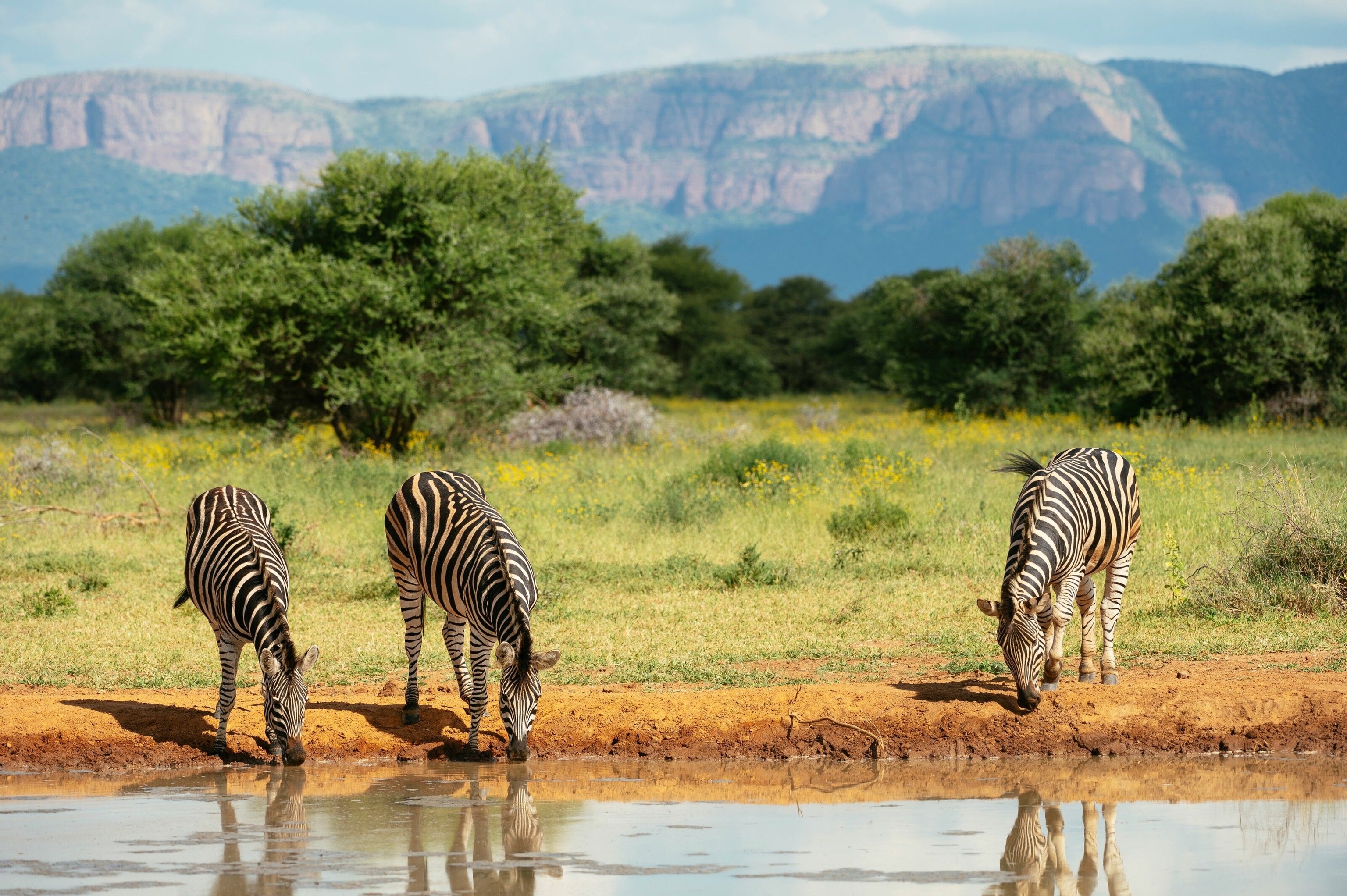
 Three zebras drink at a waterhole with their reflections shimmering in the water, the Waterberg mountains rising behind green bushveld — this is South Africa
This is the guide I wish existed when I started.
Not a generic "top 10 things to do in Africa" listicle written by someone who has never left London. Not a luxury travel magazine that only covers R50,000-a-night lodges. And definitely not a 200-word blog post that tells you safari is "amazing" without telling you anything useful.
This is the real thing. The complete, honest, everything-you-need-to-know guide to safari in South Africa — written by someone who has built a career in this bush, who drives these roads every week, and who has guided everyone from first-time families to seasoned wildlife photographers across every major reserve in the country.
My name is Thabo Makate. I run Bakubung Safaris & Tours from Johannesburg, and this is the 100th article on this website. I have put everything I know into these pages. This guide is the master key — the one that links to all the others.
Let me take you through everything.
Why South Africa for Safari?
South Africa is, in my honest opinion, the best safari destination on the African continent for most travellers. I say that knowing full well that Kenya, Tanzania, Botswana, and Namibia are extraordinary in their own ways. But South Africa offers something no other country matches:
1. Accessibility. Johannesburg is a direct flight from most major cities worldwide. Once you land, Kruger is a 4.5-hour drive or a 1-hour flight. Pilanesberg is 2 hours by road. You do not need a bush plane, a charter, or a complicated transit.
2. Value. You can do a genuine Big Five safari for R1,800 per person on a day trip, or R5,500 for a 3-day trip. Try finding that in the Serengeti or the Okavango Delta.
3. Infrastructure. Paved roads, reliable fuel stations, functioning rest camps with hot showers and WiFi. South Africa's national parks are run to a standard that most African countries cannot yet match.
4. Diversity. Savanna, mountains, coastline, desert, fynbos, forests — all in one country. You can do a Big Five safari and be on a Cape Town beach 2 hours later by flight.
5. Self-drive option. South Africa is the only major safari destination where you can rent a car and drive yourself through Big Five reserves on well-maintained roads. For the self-drive vs guided comparison, read this.
6. Malaria-free options. Reserves like Pilanesberg, Madikwe, and Shamwari offer genuine Big Five safari with zero malaria risk — a game-changer for families and travellers who prefer not to take prophylaxis.
The Big Reserves: Where to Go
South Africa has dozens of game reserves. These are the ones that matter most for safari visitors:
Kruger National Park — The Giant
Kruger is Africa's most iconic national park. Nearly 2 million hectares, ~20,000 elephants, ~1,600 lions, ~1,000 leopards, and every species you have ever dreamed of seeing.
- Distance from JHB: 4.5–5 hours by road, 1 hour by flight
- Best for: Multi-day safaris, self-drive, serious wildlife immersion
- Malaria: Low-to-moderate risk (prophylaxis recommended Oct–May)
- Budget: Self-drive from ~R5,450/person for 3 days; guided from R6,649/person
- Deep dive: Kruger destination page | 3-Day Kruger Itinerary | Best Time to Visit Kruger | Johannesburg to Kruger Travel Guide
Pilanesberg Game Reserve — The Accessible One
Pilanesberg is 2 hours from Johannesburg, malaria-free, and home to all Big Five. It is the best safari for first-timers, families, and anyone short on time.
- Distance from JHB: 2 hours
- Best for: Day trips, families, first-timers, malaria-free safari
- Malaria: None
- Budget: Day trip from R1,800/person
- Deep dive: Pilanesberg destination page | Pilanesberg Day Trip — Is It Worth It? | Kruger vs Pilanesberg Comparison
Sabi Sands & Greater Kruger — The Luxury Frontier
The Sabi Sands and other private reserves bordering Kruger offer what the national park cannot: off-road driving, walking safaris, night drives with spotlights, and the highest leopard-sighting rates on the planet.
- Best for: Luxury safaris, leopard lovers, honeymooners, photographers
- Malaria: Same as Kruger
- Budget: R5,000–R85,000/person/night all-inclusive
- Deep dive: Sabi Sands destination page | Sabi Sands vs Kruger — Is the Upgrade Worth It? | Best Romantic Lodges
Other Reserves Worth Knowing
- Madikwe — Malaria-free, Big Five, 4 hours from JHB. Excellent family lodges.
- Hluhluwe-iMfolozi — KwaZulu-Natal. Birthplace of rhino conservation. Outstanding buffalo and rhino viewing.
- Addo Elephant National Park — Eastern Cape. Malaria-free. 600+ elephants. Perfect for self-drive.
- Shamwari — Eastern Cape. Malaria-free. Award-winning family and conservation programs.
How Much Does Safari Cost?
The honest answer, tier by tier:
| Tier | Per Person | What You Get |
|---|---|---|
| Budget Day Trip | R1,800–R2,500 | Guided Pilanesberg day safari from JHB. Big Five. Lunch included. |
| Budget Multi-Day | R5,000–R8,000 | 3 days in Kruger (self-drive, rest camps, own meals) |
| Mid-Range Guided | R6,649–R15,000 | 3 days Kruger, everything included, professional guide |
| Premium Lodge | R8,000–R25,000/night | Private reserve, all-inclusive, gourmet meals, expert guides |
| Ultra-Luxury | R25,000–R85,000/night | Singita, Royal Malewane, Tswalu. World's finest safari lodges. |
For the complete pricing breakdown with real Rand figures, read How Much Does a Safari Cost?
When to Go
Dry Season (May – October) — Peak Safari
- Sparse vegetation = easier animal spotting
- Animals concentrate at water sources
- Cool, dry weather (mornings can be 5°C)
- Best Big Five odds
- Peak pricing, busier reserves
Green Season (November – March) — The Secret
- Lush, green landscapes
- Baby animals everywhere
- 500+ bird species (vs 350 in dry season)
- 30–50% lower lodge prices
- Dramatic skies, incredible photography
- Fewer tourists
For the month-by-month breakdown: Best Time to Visit Kruger | Green Season — The Bargain Nobody Tells You About
The Big Five
The five animals every safari-goer wants to see:
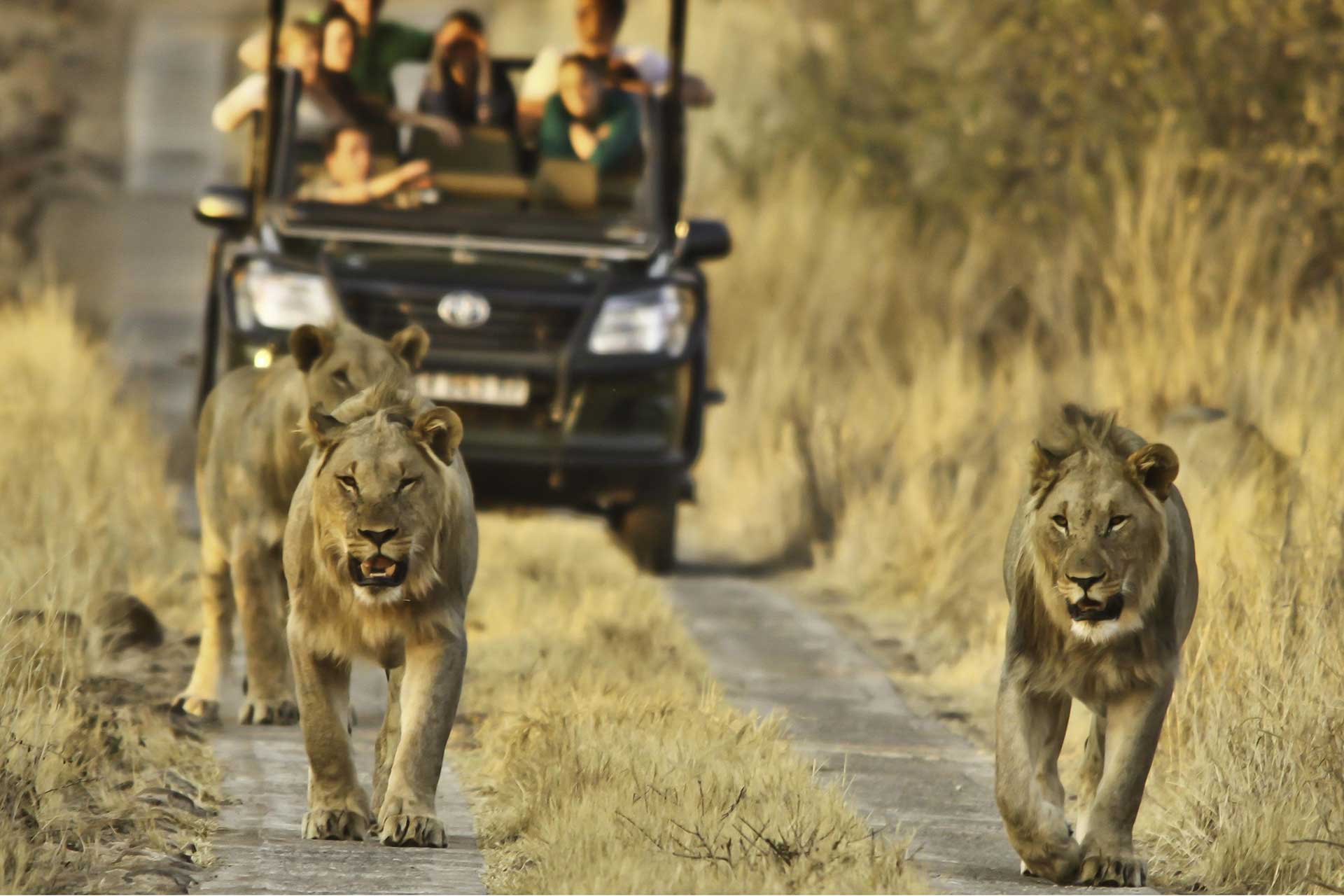
- Lion — The king. ~1,600 in Kruger. Best at Satara area (central Kruger) and Sabi Sands.
- Leopard — The ghost. Hardest to spot. Sabi Sands has 80-90% daily odds.
- Elephant — The gentle giant. ~20,000 in Kruger. You WILL see them.
- Buffalo — The black death. Massive herds in central and northern Kruger.
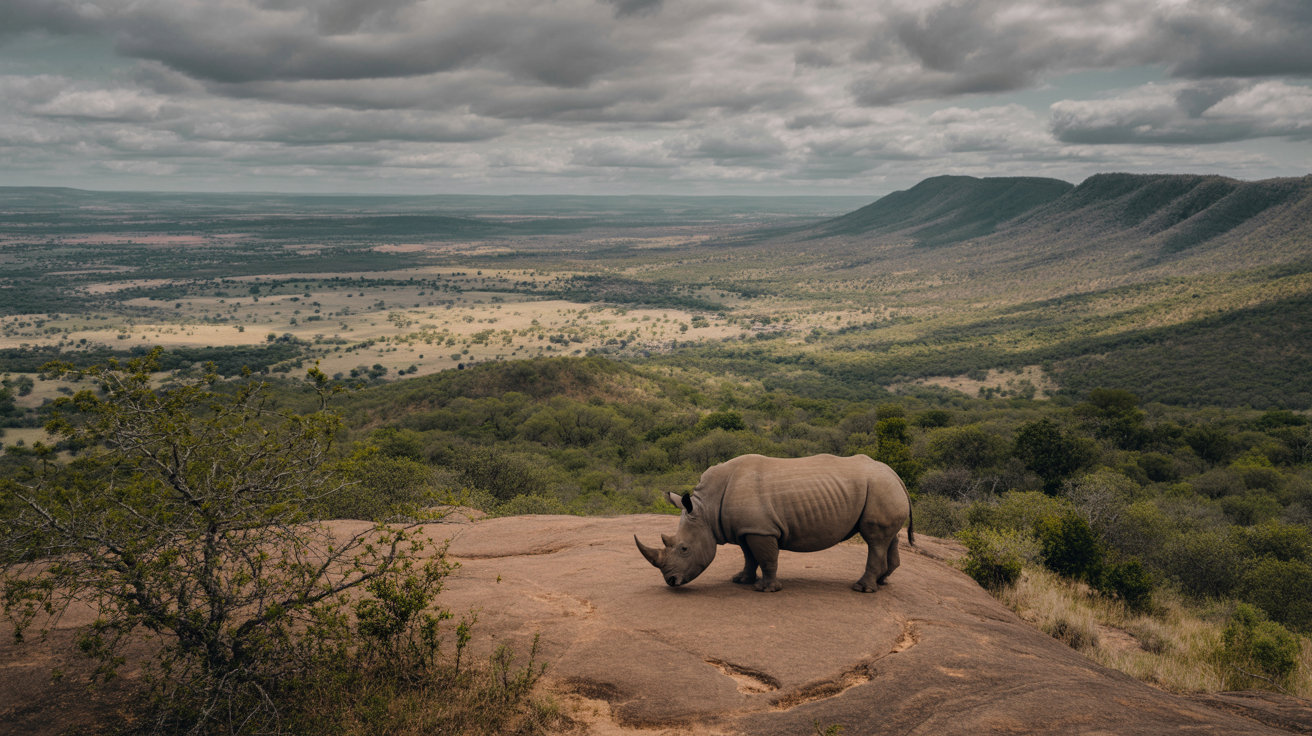
- Rhino — The armoured one. Both white and black species. Pilanesberg and southern Kruger are best.
For the complete species-by-species guide with sighting odds and spotting tips: The Big Five — How to See Them All
Who Is Safari For?
Everyone. Genuinely. But different travellers need different experiences:
Families with Kids
- Start with Pilanesberg (malaria-free, short drive, right length)
- Kids 6+ for full game drives
- The Animal Bingo Card trick keeps them engaged
- Full guide: Safari with Kids
Honeymooners & Couples
- Private lodges in Sabi Sands or Madikwe
- Bush dinners, outdoor baths, stargazing decks
- Combine with Cape Town for the ultimate trip
- Full guide: Best Honeymoon Safari
First-Timers
- Pilanesberg day trip to test the waters
- 3-day Kruger for the full immersion
- Read the tips before you go — they genuinely help
- Full guide: 15 Things I Wish I Knew Before My First Game Drive
Budget Travellers
- Pilanesberg day trip from R1,800
- Kruger self-drive from ~R5,450/person for 3 days
- Green season for 30-50% savings on lodges
- Full guide: How Much Does Safari Cost?
Photographers
- Green season for landscapes and baby animals
- Sabi Sands for close-up predator shots (off-road access)
- 200-400mm lens is the sweet spot
- Dawn drives have the best light
Solo Travellers
- Group guided tours are social and safe
- Kruger self-drive is perfectly doable solo
- Small-group departures available through us
Self-Drive vs Guided Safari
This is one of the most important decisions you will make:
| Factor | Self-Drive | Guided |
|---|---|---|
| Cost | Cheaper overall | Slightly more, but includes everything |
| Flexibility | Total freedom | Set schedule (but expert-optimised) |
| Wildlife knowledge | Your own skills | Professional guide reads the bush |
| Stress level | You handle everything | You sit back and enjoy |
| Best for | Experienced safari-goers, adventurers | First-timers, photographers, anyone who wants to relax |
Full comparison: Self-Drive vs Guided Safari
Getting There from Johannesburg
Johannesburg is the gateway to South African safari. Here are your options:
To Pilanesberg (2 hours)
- With us: Hotel pickup included in all Pilanesberg day tours
- Self-drive: N4 West → R556 → Pilanesberg. Easy highway driving, well signposted
To Kruger (4.5–5 hours)
- Drive: N4 or N12 East → Nelspruit → Kruger gates
- Fly: JHB to Kruger Mpumalanga International (MQP), ~1 hour. Car hire from ~R450/day
- With us: Guided packages include JHB pickup and all transport
Full travel guide: Johannesburg to Kruger — Complete Travel Guide
What to Pack
The short version:
- Neutral-coloured clothing (khaki, olive, tan)
- Warm layers for morning drives (it is COLD at dawn)
- Binoculars (the single most important piece of gear)
- Camera with 200mm+ zoom
- Sunscreen, hat, insect repellent
- Power bank
The complete version with tables, gear recommendations, and the 7 things NOT to bring: Safari Packing List
The Malaria Question
Malaria-free reserves: Pilanesberg, Madikwe, Welgevonden, Shamwari, Addo. Zero risk, no tablets needed.
Low-to-moderate risk: Kruger, Sabi Sands, Greater Kruger. Prophylaxis recommended October–May. Risk is manageable — millions visit safely every year.
My advice: If malaria concerns you, start with Pilanesberg. It is malaria-free, it is Big Five, and it is 2 hours from Johannesburg. No compromise.
Combining Safari with Cape Town
The classic South African trip: safari + Cape Town. It is a combination no other country on Earth can offer — world-class wildlife AND a world-class city, in the same week.
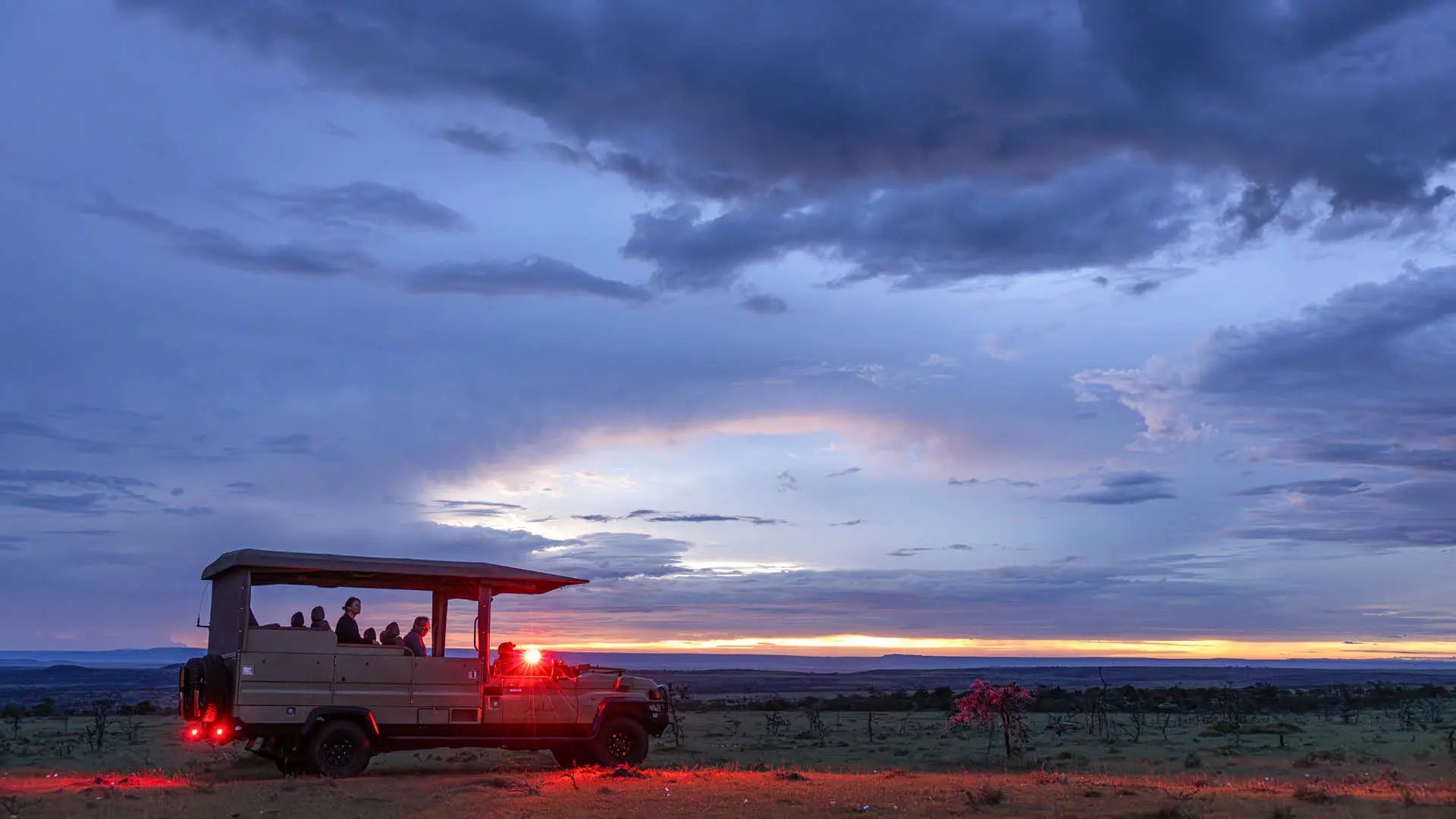 A game drive vehicle full of guests pauses on the open plains at sunset, the sky painted in blues and golds — the end of a perfect safari day
The most popular itinerary:
- Days 1–3: Safari (Kruger or Pilanesberg)
- Days 4–7: Cape Town (Table Mountain, Winelands, V&A Waterfront, Cape Point)
Full itinerary: Cape Town + Safari Combo: The Perfect 7-Day Itinerary
Safety & Practical Tips
Is South Africa safe for tourists? The safari reserves are among the safest places in the country. Inside Kruger or Pilanesberg, the biggest risk is sunburn, not crime. Exercise normal city precautions in Johannesburg (do not flash valuables, use Uber, stay in well-known areas).
Visa: Most nationalities get 90 days visa-free. Check with your nearest South African embassy.
Currency: South African Rand (ZAR). R1,000 ≈ $55 USD / £44 GBP / €50 EUR (approximate, fluctuates).
Language: English is widely spoken in tourism. Afrikaans, Zulu, Sotho, and Tswana are also common.
Electricity: Type M (large 3-prong) and Type C (Euro 2-prong). International travellers need an adapter.
Driving: Left-hand side. International driving permit recommended but not always required.
Why Book With Bakubung Safaris?
I built this company because I believe the best safari experiences come from people who actually live here, drive these roads every week, and care more about your experience than your credit card.
When you book with us, you get:
- A Johannesburg-based team that knows the reserves intimately — not a foreign aggregator reading a script
- Real-time knowledge of where the animals are right now, which roads are open, which camps have availability
- Direct WhatsApp access to a human (me) who will adjust your plans on the fly
- Honest pricing without international middleman markups
- FGASA-qualified guides who turn a game drive into a masterclass
I am not the cheapest operator in South Africa. I am not the most expensive. I am the one who will tell you the truth, give you the best experience for your budget, and make sure you come back.
Your Safari Starts Here
You have read the guide. You know the reserves, the budgets, the seasons, and the tips. The only thing left is to do it.
Africa does not wait. The elephants are drinking at the waterhole right now. The lions are sleeping under the acacia right now. The leopard is draped over that branch right now.
All you have to do is show up.
- Pilanesberg Day Safari — From R1,800/person. The perfect introduction.
- Kruger 3-Day Safari — From R6,649/person. The full immersion.
- Plan My Safari — Tell us your dream and we will build it.
- Browse All Destinations — Explore every reserve we offer.
📱 WhatsApp Thabo — I answer every single message personally.
🌍 One hundred guides. One simple truth: the bush is waiting for you.
— Thabo Makate, Bakubung Safaris & Tours